
Carbon Crush
Provided by: Art Works for Change|Published on: November 26, 2022|Last updated: July 16, 2026
Grades: 6, 7, 8, 9, 10, 11, 12
Type: Games
Subjects: Chemistry
Authors: Art Works for Change
Location: Earth
This resource has been reviewed by SubjectToClimate's climate scientists and verified for scientific accuracy and up-to-date information. Learn about our review process →
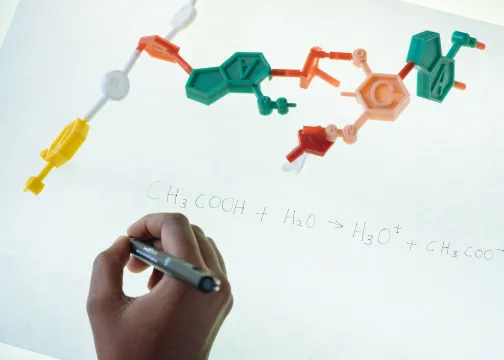
This resource has been reviewed by SubjectToClimate's climate scientists and verified for scientific accuracy and up-to-date information. Learn about our review process →
Synopsis
- This game puts a chemistry spin on Candy Crush as students play with greenhouse gases like carbon dioxide and methane.
- The game has players match greenhouse gases to clear them from the atmosphere.
Teaching Materials
Positives
- This game is a fun way to learn about the molecular structure of different greenhouse gases.
- Students can learn more about each compound by hovering over its image and clicking on the name.
Additional Prerequisites
- The game does not include instructions, so students should know how to play Candy Crush before starting.
- There is background music that plays during the game.
Differentiation
- Teachers can use this activity as a break-time or after-test activity when students are using devices in class.
- Use this video to learn more about the different greenhouse gases and this lesson to understand the chemistry of the greenhouse effect.
- The greenhouse gases in the game can be investigated for their GWP as compared to carbon dioxide in chemistry classes.
This match-3 game is a fun activity to supplement a lesson on greenhouse gasses, climate change, or similar topics. Clicking on each of the greenhouse gasses links to the Wikipedia article about the corresponding greenhouse gas. The Wikipedia articles are accurate and a good starting point for information but are not recommended as the primary source of information. With these considerations in mind, this game is recommended for teaching.
Teaching Tips
Standards
Resource Type and Format
Scientist Reviewed
This resource has been reviewed by SubjectToClimate's climate scientists and verified for scientific accuracy and up-to-date information. Our review process ensures that every resource in our library reflects the current state of climate science.
Learn about our review process →