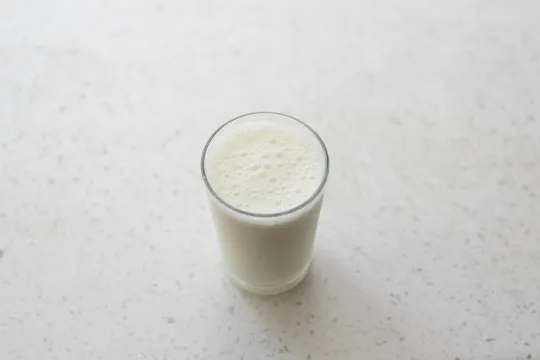
Can We Make Milk from Insects?
Provided by: Science Journal for Kids|Published on: May 30, 2026|Last updated: July 16, 2026
Grades: 6, 7, 8, 9, 10
Type: Scientific Reports
Subjects: Earth and Space Sciences, Engineering
Authors: Science Journal for Kids
Location: Earth

This resource has been reviewed by SubjectToClimate's climate scientists and verified for scientific accuracy and up-to-date information. Learn about our review process →
This resource has been reviewed by SubjectToClimate's climate scientists and verified for scientific accuracy and up-to-date information. Learn about our review process →
Synopsis
- This article is an adaptation of a peer-reviewed article that analyzes the use of lesser mealworms to make a sustainable milk substitute.
- The resource includes a read-aloud version of the article, accompanying videos, and comprehension questions.
Teaching Materials
Positives
- The conclusion offers easy actions students can take to adjust their diets to be more climate-friendly.
- This resource may open students’ minds to trying new things to help the climate.
Prerequisites
- Teachers will need to enter some information to access the Teacher’s Key.
- This article builds on students’ understanding of climate change and the impact of meat and dairy production on the environment. If students are unfamiliar with this topic, teachers can prepare them with this video or a different resource that explains the impacts of meat production.
Differentiation & Implementation
- Teachers can connect to geography and culture by starting with a discussion on how location shapes cultural norms around eating insects, and how those norms influence an individual's willingness to consume them.
- Students can discuss other ways to make their diets more climate-friendly, and select one simple action they will take, such as trying a vegetarian recipe. Students can then journal about their experience to discuss with the rest of the class.
- Teachers can combine this resource with this video about the benefits of eating insects for additional information on the topic, or extend the conversation to other sustainable food innovations, such as lab-created meat, by using this reading comprehension resource.
- Teachers can host a taste test day for plant-based milks or other alternatives to meat and dairy, taking into account any allergies that may be present in the class.
The article is strongly grounded in sustainability science and empowers students to interact with cutting-edge research. Key findings are highlighted in the text, and a helpful glossary is included. This resource is recommended for teaching.
Teaching Tips
Standards
Resource Type and Format
Scientist Reviewed
This resource has been reviewed by SubjectToClimate's climate scientists and verified for scientific accuracy and up-to-date information. Our review process ensures that every resource in our library reflects the current state of climate science.
Learn about our review process →