Can Rotting Vegetables Create Electricity?
Provided by: The Kid Should See This|Published on: February 3, 2023|Last updated: July 16, 2026
Grades: 8, 9, 10, 11, 12
Type: Videos
Subjects: Chemistry, Biology, Earth and Space Sciences, Engineering
Authors: The Kid Should See This
Location: Asia, Earth

This resource has been reviewed by SubjectToClimate's climate scientists and verified for scientific accuracy and up-to-date information. Learn about our review process →
This resource has been reviewed by SubjectToClimate's climate scientists and verified for scientific accuracy and up-to-date information. Learn about our review process →
Synopsis
- This video describes how unsold or rotting vegetables can be turned into biogas, a cleaner-burning fuel used to create electricity.
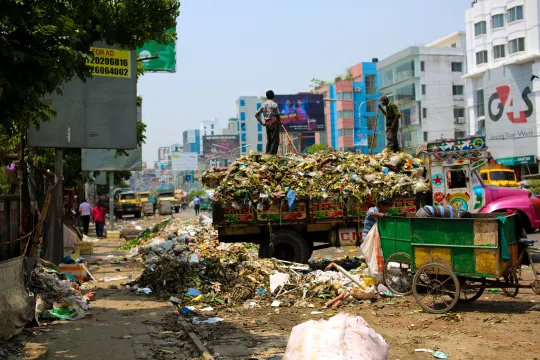
- Students will learn about a vegetable market in India that converts the 10 tons of daily food waste into electricity that powers street lights, buildings, and a large kitchen.
Teaching Materials
Positives
- This video highlights an innovative solution to climate change that addresses issues surrounding both food waste and fossil fuel use.
- This resource contains links to 15 additional sites that can be accessed for further learning.
Additional Prerequisites
- The site for the Bowenpally Vegetable Market linked in the article is not in English.
- Though biogas is explained in the video, some background information on biofuels may help facilitate learning on this topic.
Differentiation
- Consider using a vocabulary-focused graphic organizer to demonstrate understanding of vocabulary from the video and article.
- While watching the video, provide students with a sequence graphic organizer to take notes on the steps taken in the process of converting vegetables and food waste into biogas.
- This video speaks briefly about some reasons why biogas doesn't have more widespread use, so consider using this video for a deeper dive into the topic.
- Have students create posters, videos, or persuasive essays explaining why using food waste for energy is a valuable way to reduce emissions.
- Put students in groups to explore other videos from the World Wide Waste series, and then have them share with class the benefits of each innovative climate solution.
This video and article introduce the topics of biogas and using organic products to produce energy. It talks about how this fuel helps reduce food waste and lowers emissions. Additionally, the description below the video includes links to other videos and articles related to this topic. This resource is accurate and recommended for teaching.
Teaching Tips
Standards
Resource Type and Format
Scientist Reviewed
This resource has been reviewed by SubjectToClimate's climate scientists and verified for scientific accuracy and up-to-date information. Our review process ensures that every resource in our library reflects the current state of climate science.
Learn about our review process →