Blowing Up Dams and Setting Fires
Provided by: The Kid Should See This|Published on: May 13, 2026|Last updated: July 16, 2026
Grades: 6, 7, 8, 9, 10
Type: Videos
Subjects: Biology, Earth and Space Sciences
Authors: Northern California Public Media
Location: North America > United States, North America > United States > California, North America > United States > Oregon
This resource has been reviewed by SubjectToClimate's climate scientists and verified for scientific accuracy and up-to-date information. Learn about our review process →
This resource has been reviewed by SubjectToClimate's climate scientists and verified for scientific accuracy and up-to-date information. Learn about our review process →
Synopsis
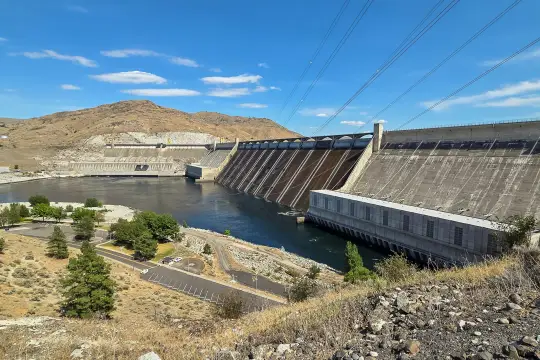
- This video explores dam removal and controlled burns, showing how these practices restore river ecosystems, support fish migration, manage wildfire risk, and increase biodiversity.
- This 21-minute video features Indigenous people from the Yurok tribe who are fighting for the Klamath dam removal effort and rights to tribal burning.
Teaching Materials
Prerequisites:
- Ensure students understand why dams would be put in place and the threats of wildfire.
Classroom Implementation:
- Use this video in a unit or lesson about traditional ecological knowledge and its importance.
- Use as an introductory hook for units on ecosystem restoration, land management, or human impacts on the environment.
- Use for an activity in evaluating competing perspectives on environmental management — use it to model how scientists, engineers, and communities must collaborate on restoration decisions.
Related Resources:
- Use the video as a hook into this social studies lesson, in which students evaluate the moral and legal issues associated with dams.
This video discusses how the Yurok Tribe of California advocates for and leads the dam removal effort in Northern California. It also explores the environmental impacts of dams, especially on fish, and how climate change is exacerbating these impacts. A second part of the video explains the benefits of prescribed and cultural burns and how fire is used as a tool to work with the land, and how climate change influences wildfires. Additionally, the tribe's environmental beliefs are explored. These beliefs encourage humans to live with and work with the environment and land around us. The information presented is accurate, and this resource is recommended for teaching.
Teaching Tips
Standards
Resource Type and Format
Scientist Reviewed
This resource has been reviewed by SubjectToClimate's climate scientists and verified for scientific accuracy and up-to-date information. Our review process ensures that every resource in our library reflects the current state of climate science.
Learn about our review process →