Beavers, a Modern Approach to Habitat Restoration
Provided by: The Kid Should See This|Published on: May 13, 2026|Last updated: July 16, 2026
Grades: 6, 7, 8, 9, 10
Type: Videos
Subjects: Biology, Earth and Space Sciences
Authors: King County Natural Resources and Parks
Location: North America > United States > Washington
This resource has been reviewed by SubjectToClimate's climate scientists and verified for scientific accuracy and up-to-date information. Learn about our review process →
This resource has been reviewed by SubjectToClimate's climate scientists and verified for scientific accuracy and up-to-date information. Learn about our review process →
Synopsis
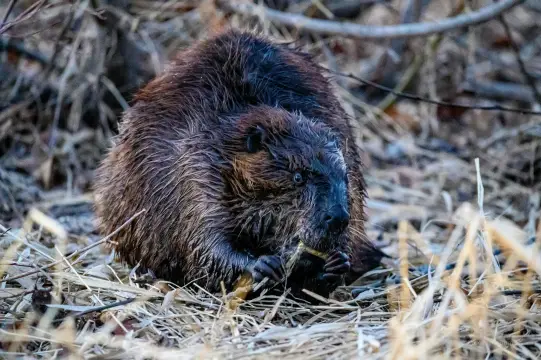
- This 10-minute video and accompanying brief article show how ecologists in the Chinook Bend Natural Area in Washington are partnering with beavers to restore salmon habitat and cool stream temperatures.
- Students learn how beaver dams function as natural water storage structures that create spawning grounds, and how this human-managed habitat restoration works to balance the benefits beavers provide with the challenges they can pose for land managers.
Teaching Materials
Prerequisites:
- Ensure students are familiar with the benefits of increased vegetation and the threats faced by Chinook salmon.
Classroom Implementation:
- Use this video as a hook into lessons and units about restoration projects, nature-based solutions, and watershed ecology.
- As students watch, have them record the benefits of having beavers as engineers, as well as the downsides of their presence.
Climate Change Connections:
- Highlight the need to cool water temperatures for salmon, as expressed in the video. Have students discuss how climate change may be heightening this need.
Related Resources:
- Pair the video with this student-friendly report about how beavers reduce the impacts of wildfires.
This resource details a salmon habitat restoration project where scientists are using beavers for the ecosystem services their dams provide. The video features dialogue from ecologists and engineers in the field. Climate change is not directly mentioned, but the focus on reducing water temperatures for salmon habitats allows a place to discuss climate change. This resource is recommended for teaching.
Teaching Tips
Standards
Resource Type and Format
Scientist Reviewed
This resource has been reviewed by SubjectToClimate's climate scientists and verified for scientific accuracy and up-to-date information. Our review process ensures that every resource in our library reflects the current state of climate science.
Learn about our review process →