At Home With the Bay: Galveston Bay Virtual Field Trips
Provided by: Galveston Bay Foundation|Published on: May 22, 2026|Last updated: July 16, 2026
Grades: 6, 7, 8, 9, 10
Type: Videos
Subjects: Biology
Authors: Galveston Bay Foundation
Location: North America > United States > Texas
This resource has been reviewed by SubjectToClimate's climate scientists and verified for scientific accuracy and up-to-date information. Learn about our review process →
This resource has been reviewed by SubjectToClimate's climate scientists and verified for scientific accuracy and up-to-date information. Learn about our review process →
Synopsis
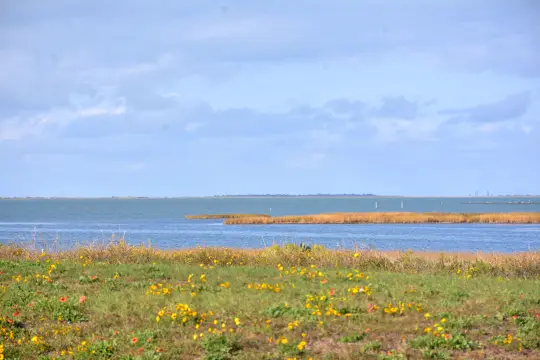
- This collection of virtual field trip videos and accompanying activity guides brings ecology to the classroom, covering topics including oysters, wetlands, bay biodiversity, microscopic ecosystems, and plankton.
- Each activity guide features a virtual lab, a craft, a conversation with a biologist, and an activity for the week, designed to replicate the hands-on experiences students would have during an in-person field trip to Galveston Bay.
Teaching Materials
Classroom Implementation:
- Although these virtual field trips are especially well-suited for teachers in the Gulf Coast area who want to connect students to their local estuary, they are also recommended to any classroom studying coastal ecosystems.
- Ask students to engage in the conservation craft or activity of the week (e.g., reusing plastic bottles to make wind spirals) at home in collaboration with their families.
- For high school or advanced students, use the extension activities and lessons in this Google Drive folder.
- The student worksheets are also available in Spanish.
Preparation:
- For the conservation crafts, collect necessary recycled materials (bottles, food packaging, fabric, etc.) ahead of time.
Broken Links/Missing Materials:
- The link to the anchoring videos is broken; instead, access them via through the Galveston Bay Foundation's website or this YouTube playlist.
Climate Change Connection:
- While the focus of the virtual field trips is on ecology and not climate change, climate change can deeply affect ecological processes and relationships; for example, rising CO₂ levels cause ocean acidification, which limits oysters' ability to build their shells.
- The wetlands virtual field trip mentions climate change and highlights carbon sequestration as a key function of wetlands.
This resource is a collection of videos and worksheets about the important ecosystems of Galveston Bay. The videos all feature scientists conducting research, and students are engaged with a peer-reviewed article in one lesson. While this resource is not climate-focused, climate change and carbon sequestration are a major part of the wetlands unit. This resource is recommended for teaching.
Teaching Tips
Standards
Resource Type and Format
Scientist Reviewed
This resource has been reviewed by SubjectToClimate's climate scientists and verified for scientific accuracy and up-to-date information. Our review process ensures that every resource in our library reflects the current state of climate science.
Learn about our review process →