A Subsistence Culture Impacted by Climate Change
Provided by: PBS|Published on: March 20, 2021|Last updated: July 16, 2026
Grades: 6, 7, 8, 9, 10, 11, 12
Type: Articles/Websites
Subjects: Social Studies, Earth and Space Sciences
Authors: PBS
Location: North America, North America > United States, Polar Regions
This resource has been reviewed by SubjectToClimate's climate scientists and verified for scientific accuracy and up-to-date information. Learn about our review process →
This resource has been reviewed by SubjectToClimate's climate scientists and verified for scientific accuracy and up-to-date information. Learn about our review process →
Synopsis
- This video provided by CLEAN shows how the Athabaskan people in Alaska are being affected by climate change.
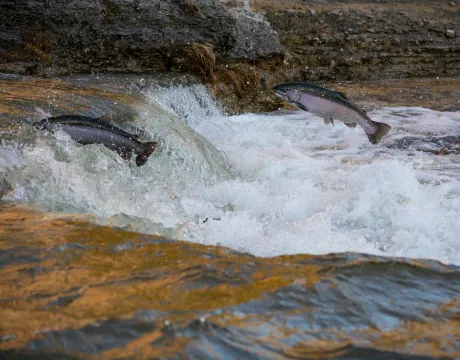
- Students will learn that changes in the climate have disrupted the ecosystems, causing salmon, blueberries, and other sources of food to decrease.
- This resource includes an article and discussion questions.
Teaching Materials
Positives
- Students can read the essay for background context before watching the video.
- This is a good activity for virtual learning as there is a button to share the resource on Google Classroom.
- This video shows a concrete example of how climate change affects people and the environment.
Prerequisites
- The article provides additional information about why the salmon population has decreased in Alaska.
Differentiation & Implementation
- Social studies or geography classes can use this video to show students how climate change impacts the environment as well as culture.
- Students can work individually or in small groups to answer the discussion questions.
- Students can extend their learning with this documentary film on how climate change is affecting Alaskan wildlife.
This resource includes a short video that shows how indigenous Athabaskan communities live a subsistence lifestyle using resources from their surrounding environment and how this lifestyle is threatened by climate change. The resource includes a supporting essay and discussion questions. This resource is recommended for teaching.
Teaching Tips
Standards
Resource Type and Format
Scientist Reviewed
This resource has been reviewed by SubjectToClimate's climate scientists and verified for scientific accuracy and up-to-date information. Our review process ensures that every resource in our library reflects the current state of climate science.
Learn about our review process →