How YOU Can Stop A Pipeline (ft. Winona LaDuke)
Provided by: Our Changing Climate|Published on: April 27, 2021|Last updated: July 16, 2026
Grades: 9, 10, 11, 12
Type: Videos
Subjects: Civics
Authors: Our Changing Climate
Location: North America, North America > United States > Minnesota, North America > United States > Wisconsin
This resource has been reviewed by SubjectToClimate's climate scientists and verified for scientific accuracy and up-to-date information. Learn about our review process →
This resource has been reviewed by SubjectToClimate's climate scientists and verified for scientific accuracy and up-to-date information. Learn about our review process →
Synopsis
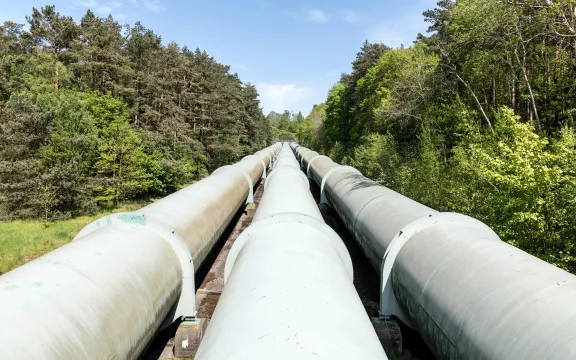
- This video from Our Changing Climate features climate activist Winona LaDuke and her efforts to stop Enbridge's Line 3 pipeline in Minnesota and its destruction to the native land and waterways.
- Students will learn how they can get involved and take action in this fight.
Teaching Materials
Positives
- The video features an Indigenous climate activist and has a clear call to action.
- The description links to several options to take action and further inform oneself about the Line 3 pipeline.
Prerequisites
- The video mentions sex trafficking and missing or murdered Indigenous women at the beginning of the video.
- Students should understand how cracked and leaking pipelines can impact entire ecosystems.
- There may be an ad before the video.
Differentiation & Implementation
- Civics courses can utilize power mapping exercises to better understand the stakeholders, incentive structures, and action steps for engaged citizens.
- ELA courses can use the Stop Line 3 letter linked below the video as an example of persuasive writing.
- After watching the video, which was published in 2022, students can research online to find an update on the progress of the movement to stop the pipeline.
- A resource that discusses a successful pipeline protest is Do Climate Protests Actually Work? Three Examples When They Did.
The resource is suitable for environmental justice advocacy. It explores the need for energy companies, big polluters, and the government to clean up pipeline leakages on wetlands and on indigenous people's land, which have polluted and degraded the ecosystem. This resource is insightful and recommended for teaching.
Teaching Tips
Standards
Resource Type and Format
Scientist Reviewed
This resource has been reviewed by SubjectToClimate's climate scientists and verified for scientific accuracy and up-to-date information. Our review process ensures that every resource in our library reflects the current state of climate science.
Learn about our review process →