
School Garden
Toolkit For Teachers
School gardens are powerful spaces for learning. They connect science, climate, food systems, and community while giving students hands-on climate lessons that make abstract concepts feel real. This toolkit is designed to support teachers at any stage of their school garden journey, whether you are just getting started or looking to deepen existing work.
This collection brings together professional learning and classroom-ready resources to support outdoor classroom lessons and garden curriculum for environmental education K–12. The lessons, videos, guides, and webinars support teacher learning while also offering engaging, age-appropriate activities for students. Use these resources to build your own understanding, spark student curiosity, and turn your school garden into a living classroom for meaningful outdoor learning.
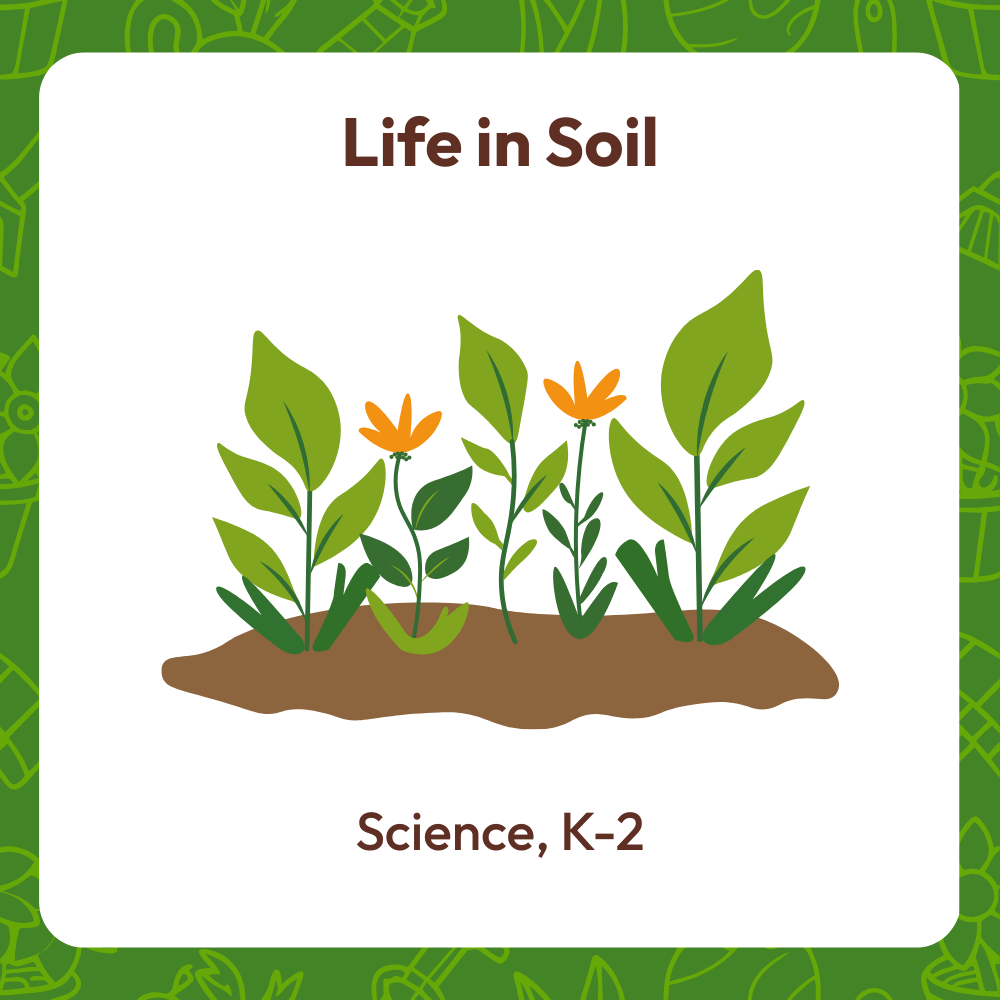
This lesson engages students in soil and composting lessons by exploring soil as a living ecosystem and a carbon sink. Through inquiry, investigation, and creative modeling, students observe soil in action, examine samples, and express their understanding artistically through hands-on learning.
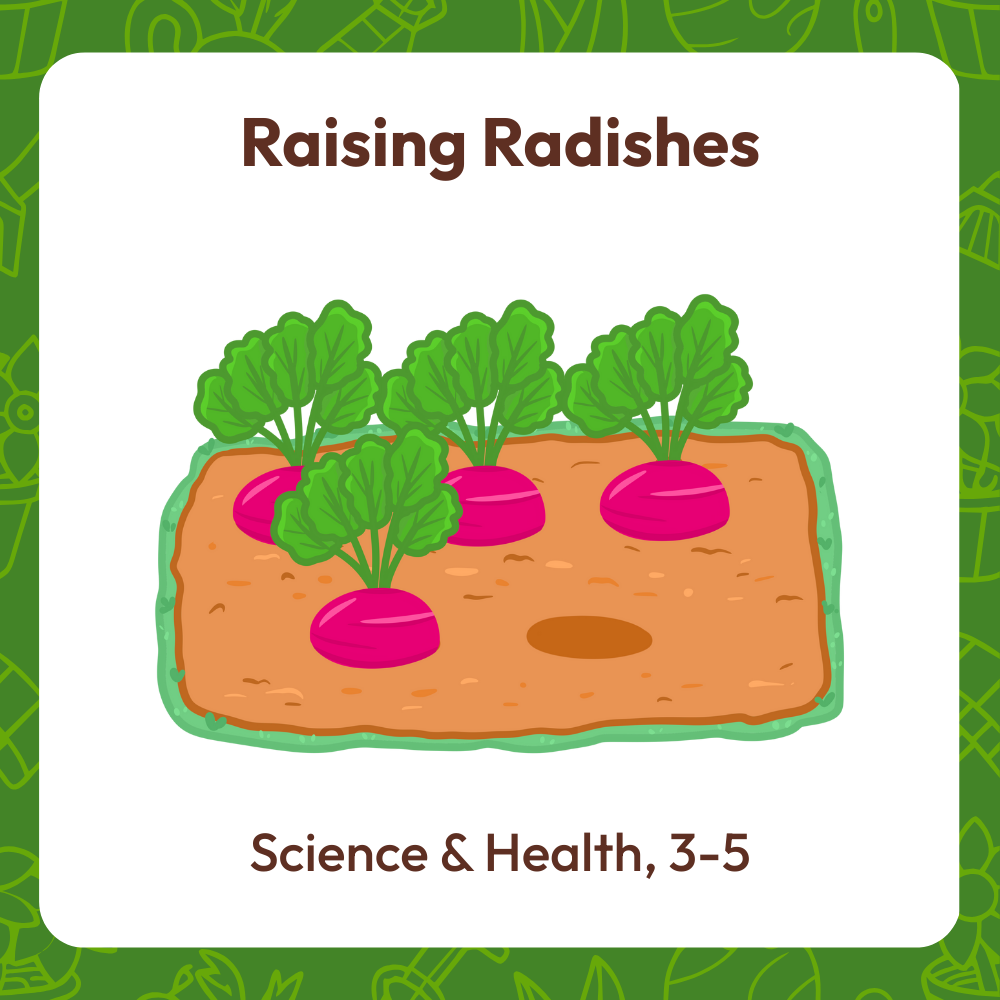
In this lesson, students learn about composting and conduct an experiment to determine what type of soil is best for growing radishes. After learning about composting, students will spend the next few weeks watching their radishes grow to determine if soil, compost, or a mix of both is best for radishes.
In the lessons, 2nd-6th grade students will play a game to model the water cycle and how rain gardens and contaminants can influence it, design a rain garden, and create rain garden fact sheets to post around the school.
This first resource in the series provides an introductory video, tip sheets, teacher support documents, and two lessons to help your students map out a garden spot and then write persuasively to their peers about their choice of garden theme, considering garden design, garden safety, and available tools and materials.
In this animated video, students will learn about the benefits of plants and green spaces for cities, communities, rural areas, and individuals.
Students will learn that they can help promote green spaces through hands-on learning, including advocating in their communities, planting gardens, and contributing to environmental projects.
This lesson explores the complexities of food waste and its connection to climate change through student-centered sustainability learning. Students investigate its causes and impacts, including inequity and greenhouse gas emissions, and reflect on meaningful actions they can take in their own communities.
This website lists the school garden webinars available, where leaders virtually share their expertise and lessons with other leaders. There are 40+ recordings of previous webinars as well.
In this lesson, students learn about the effects of agriculture and climate change by listening to a podcast, assessing the geographic change in plant hardiness zones in the United States, and learning about agroecology as a solution.
This interactive course about the impacts of agriculture includes sections on food and climate, feeding 10 billion people, selective breeding, genetic engineering (GMOs), making meat, fishing and aquaculture, lab meat and plant alternatives, food waste, urban farming, and current challenges in farming.
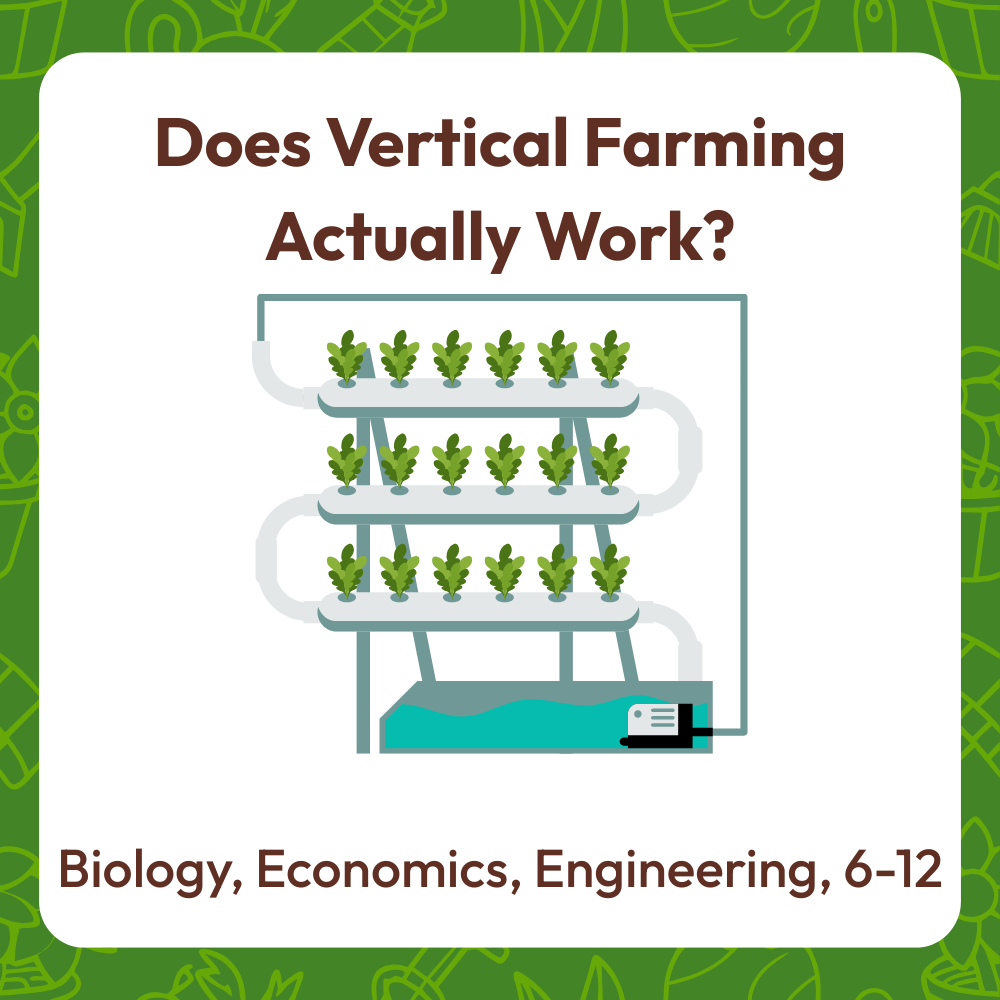
This video from Our Changing Climate explains how vertical farms work and the benefits and drawbacks of vertical farming.
Students will learn whether vertical farms are a viable alternative to traditional outdoor agriculture.
Additional Resources
Looking for more ways to bring climate learning into your classroom? Explore the full collection of free climate education resources at SubjectToClimate. From lesson plans and videos to toolkits and professional learning, you’ll find materials that make curriculum integration easy while supporting your teaching and inspiring student action across grade levels and subjects.