Who Polluted the River?
Grades: K, 1, 2
Type: Lesson Plans
Subjects: Science, English Language Arts
Authors: Population Education
Location: Earth
This resource has been reviewed by SubjectToClimate's climate scientists and verified for scientific accuracy and up-to-date information. Learn about our review process →
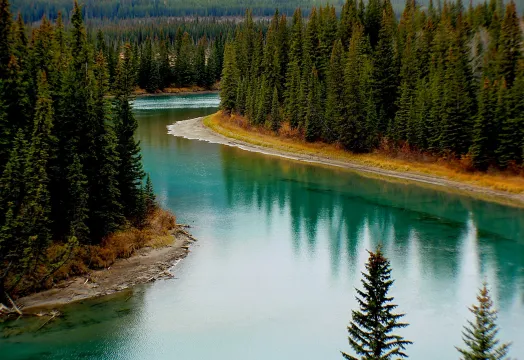
This resource has been reviewed by SubjectToClimate's climate scientists and verified for scientific accuracy and up-to-date information. Learn about our review process →
Synopsis
- This lesson plan includes a story and role-playing activity that show how population growth and urbanization affect rivers and other parts of the environment.
- Students will learn about the various pollutants that contaminate rivers and ways to prevent river pollution.
Teaching Materials
Positives
- The activity in the lesson will be especially engaging for students who enjoy experiential learning.
- The discussion questions are thought-provoking.
Additional Prerequisites
- Teachers will need to enter an email address to access the PDF lesson plan the first time they use the Population Education site.
- Teachers will need to print and cut out the canister labels and the character nametags from the PDF before the lesson.
- Teachers will need the following materials to complete the activity: a clear gallon jar or bowl of water, one small container with a lid for each student, dry leaves, dry soil, baking soda, litter (e.g., small scraps of paper or plastic), a tangle of fishing wire or dental floss, instant coffee, red food coloring, green food coloring, vegetable oil, and soap.
Differentiation
- Social studies classes could use this resource to talk about the responsibilities of individuals and governments to prevent and clean up pollution.
- Language arts classes can discuss features of the story. Teachers could ask students what the river was like at the beginning, the middle, and the end of the story.
- This activity lends itself well to a whole group lesson that introduces the topic of river or water pollution. After completing the activity and going through the discussion questions, have students journal about their experience. Revisit the journal entries as the unit continues.
- Other related resources include this packet on planning a field trip to a local watershed, this Google Earth interactive about a river in Bolivia, and this game that explains watersheds.
Students will learn how water can be polluted and propose new ways to protect against water pollution. This resource is recommended for teaching.
Teaching Tips
Standards
Resource Type and Format
Scientist Reviewed
This resource has been reviewed by SubjectToClimate's climate scientists and verified for scientific accuracy and up-to-date information. Our review process ensures that every resource in our library reflects the current state of climate science.
Learn about our review process →