Snack-Sized Science: Wading into Water Quality!
Grades: 6, 7, 8, 9, 10, 11, 12
Type: Videos
Subjects: Chemistry, Biology
Authors: EarthEcho International
This resource has been reviewed by SubjectToClimate's climate scientists and verified for scientific accuracy and up-to-date information. Learn about our review process →
This resource has been reviewed by SubjectToClimate's climate scientists and verified for scientific accuracy and up-to-date information. Learn about our review process →
Synopsis
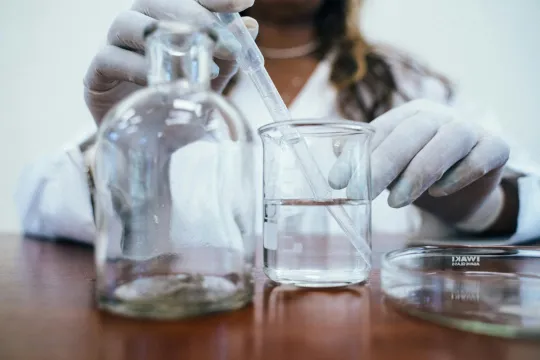
- This 25-minute video from EarthEcho International will show you how to perform several different types of water quality tests in your classroom.
- This demonstration provides tips for using their EarthEcho kit or for using basic tools and indicators, testing for pH, turbidity, temperature, and other parameters.
Teaching Materials
Positives
- This is a good resource for teachers to learn how to do these tests with students.
- The video is also easy for students to understand, so they can watch the demonstration if materials aren't available.
Prerequisites
- Teachers will need to order the kit mentioned in the video, purchase a pool or aquarium testing kit, or use pH paper, a thermometer, and a self-made Secchi disk using white paper, a black marker, and scissors.
Differentiation & Implementation
- Due to the length of the video, this resource should be shown in smaller chunks or assigned as homework if you're using the test kit they offer.
- Science classes can discuss the importance of oxygen to all animals, including dissolved oxygen for aquatic and marine organisms, and link this lesson with cellular respiration.
- Other resources about water pollution include this video about chemical pollution and this lesson about the Everglades.
There are no misconceptions in the practical video. This resource is recommended. Date: 05/09/2021
Teaching Tips
Standards
Resource Type and Format
Scientist Reviewed
This resource has been reviewed by SubjectToClimate's climate scientists and verified for scientific accuracy and up-to-date information. Our review process ensures that every resource in our library reflects the current state of climate science.
Learn about our review process →