
A Comparative Tasting of California Fruits and Vegetables
Provided by: Center for Ecoliteracy|Published on: January 9, 2023|Last updated: July 16, 2026
Grades: 3, 4, 5
Type: Lesson Plans
Subjects: Science, English Language Arts, Health
Authors: Center for Ecoliteracy, Carolie Sly
Location: North America, North America > United States, North America > United States > California
This resource has been reviewed by SubjectToClimate's climate scientists and verified for scientific accuracy and up-to-date information. Learn about our review process →
This resource has been reviewed by SubjectToClimate's climate scientists and verified for scientific accuracy and up-to-date information. Learn about our review process →
Synopsis
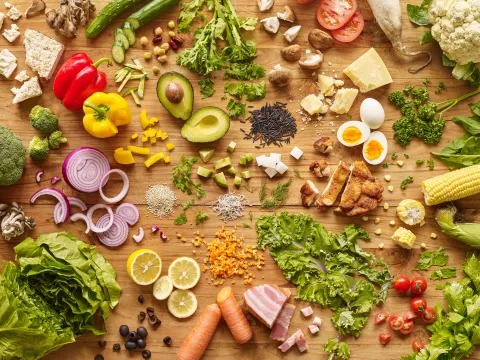
- In this lesson, students sample a variety of fruits and vegetables, learn about California's growing seasons and microclimates, and expand their vocabulary to better describe tastes, textures, and smells.
- The lesson includes a taste test, through which students describe different fruits and vegetables, and a research activity that challenges students to consider the best conditions to grow produce.
Teaching Materials
Positives
- This is an engaging way to teach students about the importance of descriptive language and healthy diets.
- This lesson allows students to both try new foods and learn new words.
Additional Prerequisites
- The final part of the lesson on growing seasons and growth conditions requires using the online resources provided in the lesson plan.
Differentiation
- As a follow-up lesson, students can learn about the health benefits of the citrus peels and consider making candied citrus peels instead of throwing them away.
- Younger students may not be familiar with some of the terms listed in the handout and may therefore need help. Older students can be encouraged to use a dictionary for words they do not know.
- This lesson can also be used in health classes to introduce students to the importance of including fruits and vegetables in their diet. Relevant extension activities are included in the lesson plan.
- To further practice using descriptive words, older students can write about what they learned using the adjectives provided in the handout.
- Although the final part of the activity is most relevant to California, the taste test can be used anywhere, especially if selecting local fruits.
This resource lesson has students taste test several varieties of local produce and learn how to describe the different flavors. This lesson is recommended for teaching.
Teaching Tips
Standards
Resource Type and Format
Scientist Reviewed
This resource has been reviewed by SubjectToClimate's climate scientists and verified for scientific accuracy and up-to-date information. Our review process ensures that every resource in our library reflects the current state of climate science.
Learn about our review process →