Planned Obsolescence Sucks. Here's Why It Still Exists.
Provided by: Our Changing Climate|Published on: April 27, 2021|Last updated: July 16, 2026
Grades: 6, 7, 8, 9, 10, 11, 12
Type: Videos
Subjects: Economics
Authors: Our Changing Climate
Location: Earth
This resource has been reviewed by SubjectToClimate's climate scientists and verified for scientific accuracy and up-to-date information. Learn about our review process →
This resource has been reviewed by SubjectToClimate's climate scientists and verified for scientific accuracy and up-to-date information. Learn about our review process →
Synopsis
- This video describes the method of marketing and production design that many companies use to drive sales by purposely making items that are meant to break or go "out of style" quickly, and are impossible for the consumer to repair or update.
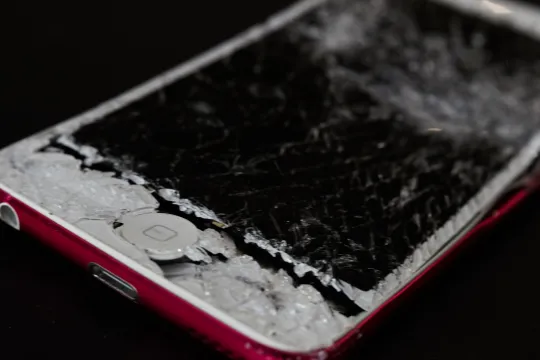
- Examples of planned obsolescence in the video are light bulbs, smartphones, other electronic devices, clothing, and vehicles.
Teaching Materials
Positives
- This video connects planned obsolescence with increasing consumerism and environmental degradation.
- Students will be inspired to support movements to beat this system.
Prerequisites
- There are commercials before and during the video.
- The last minute of the video is an ad.
Differentiation & Implementation
- Economics and social studies classes can discuss the social and economic impacts of planned obsolescence, particularly on low-income communities.
- Science classes could connect this video to lessons about the increasing amount of wild spaces that are being mined, logged, fragmented, or polluted that result in a loss of ecosystem services, wildlife habitat, and biodiversity.
- Other resources on this topic include this interactive data resource about the drivers of climate change, this table of solutions to climate change, and this video about the impacts of environmental degradation on biodiversity.
This 11-minute video presents the concepts of planned and perceived obsolescence primarily through the example of Apple iPhones. This resource touches on climate change and sustainability briefly but focuses primarily on business practices, economic systems, and social, industrial, and political systems. Citations are provided in small text on the bottom right corner of the screen, which need to be looked up from a list of resources linked in the video description. Although this takes additional effort to follow citations, this resource is recommended for teaching.
Teaching Tips
Standards
Resource Type and Format
Scientist Reviewed
This resource has been reviewed by SubjectToClimate's climate scientists and verified for scientific accuracy and up-to-date information. Our review process ensures that every resource in our library reflects the current state of climate science.
Learn about our review process →