
Heating Earth's Surfaces: Albedo
Provided by: NASA|Published on: April 8, 2022|Last updated: July 16, 2026
Grades: 5, 6, 7, 8
Type: Worksheets
Subjects: Physics, Earth and Space Sciences, Mathematics
Authors: NASA
Location: Earth
This resource has been reviewed by SubjectToClimate's climate scientists and verified for scientific accuracy and up-to-date information. Learn about our review process →
This resource has been reviewed by SubjectToClimate's climate scientists and verified for scientific accuracy and up-to-date information. Learn about our review process →
Synopsis
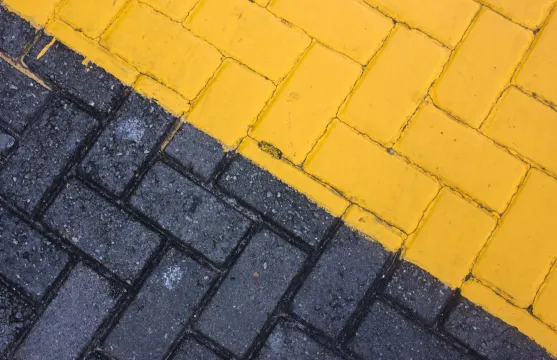
- This lab from NASA provides instructions for students to develop and test a hypothesis on the impact different colors have on light absorption and surface temperature.
- The document includes lab instructions, tables to record data, a graphing sheet, and analysis questions for students.
Teaching Materials
Positives
- The lab begins with thinking questions to get students to consider surface temperatures they may have encountered in their own lives.
- The procedure steps are simple and easy to follow.
- The hypothesis section is scaffolded for students.
Additional Prerequisites
- Teachers would need to review and acquire the materials ahead of time.
- There is a caution that the bulb may be very hot, so it is recommended to review safety ahead of time.
Differentiation
- Teachers can strategically group students and assign roles ahead of time.
- Students can conference with other groups to discuss the analysis questions.
- Teachers can foster a class discussion after the lab to share findings and analyze patterns in the data.
- Other resources related to these topics include this similar lab about albedo and this experiment that connects the albedo effect to climate change.
This activity can help students comprehend the influence of albedo on various surfaces, as well as how these surfaces absorb and reflect radiation in different ways. This is necessary to understand temperature changes caused by various characteristics on the Earth's surface. It is suggested that this resource be used in the classroom.
Teaching Tips
Standards
Resource Type and Format
Scientist Reviewed
This resource has been reviewed by SubjectToClimate's climate scientists and verified for scientific accuracy and up-to-date information. Our review process ensures that every resource in our library reflects the current state of climate science.
Learn about our review process →