World's Biggest Hydropower Project in Tibet Raises Environmental Fears
July 24, 2025

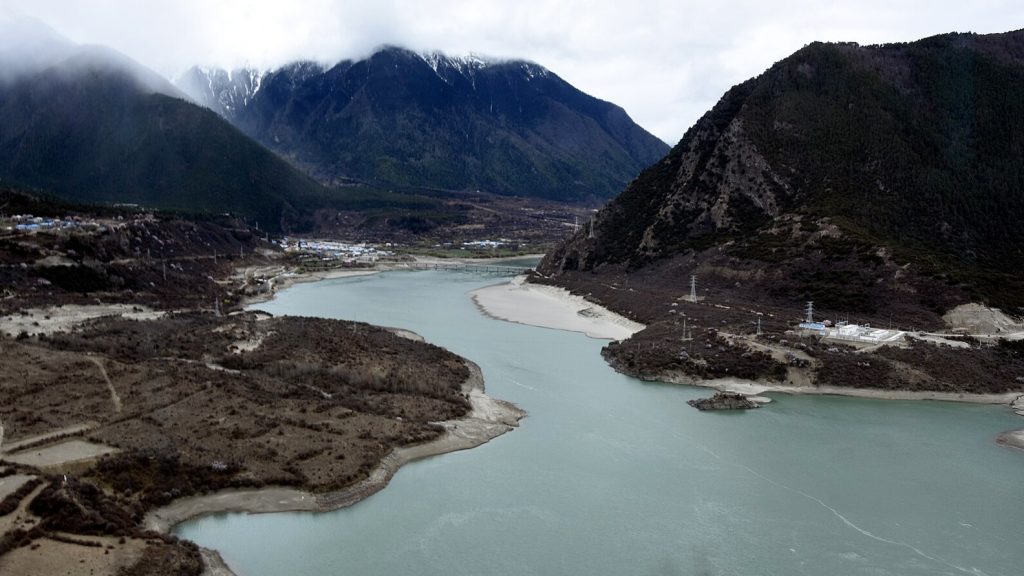
China has begun building the world's largest hydropower dam in Tibet. The project has been hailed by China as “the project of the century.” But environmentalists and the nation’s downstream neighbors are opposed.
The dam's hydropower stations could produce 300 billion kilowatt-hours of electricity per year. That's as much as Britain used in 2024. Chinese leaders say the Motuo Project marks a major step toward meeting the nation’s goal to be carbon neutral. China has a population of 14 billion. It is the world’s biggest emitter of greenhouse gases. It also spends more on clean energy projects than any other country.
Leaders in India and Bangladesh fear the project threatens millions of their people downstream. The dam could disrupt water flow. That could dry up some regions and flood others. They fear China could use control of the Yarlung Tsangpo river to curb water supply or divert it to force its neighbors to give China what it wants. China denies those claims. Environmentalists have spoken out against the project. They say it could harm wildlife and raises the risk of landslides.
Some Tibetans have opposed such megaprojects. They are concerned about their impact on Tibet’s autonomy and culture. China invaded and seized control of the country in 1950. Tibet was independent at the time. Thousands of Tibetans living near the dam worry they could be forced to move.
“This is what we want China to do, right?” Philippe Benoit told State of the Planet. He's the director of Global Infrastructure Advisory Services 2050. “We want them to shift out of coal into a cleaner source.”
“But you have to find the right balance,” Benoit added. "The local populations are going to be disproportionately affected.”
Reflect: How do you think big projects that help the environment should be balanced with the needs and rights of people living in the area?
Photo of The Yarlung Tsangpo Grand Canyon from Wikimedia Commons.
News brought to you by 
Read More News Stories Today!