
Western US, Canada Wildfires Spread Dangerous Smoke Across Continent
July 16, 2026

More than 1,000 active wildfires are burning across North America. They're forcing the evacuations of thousands of people. And they're blowing vast clouds of dangerous smoke across the continent.
The fires are mostly burning in the western US and Canada. They sent smoke as far away as the northern Plains states on Wednesday. The smoke also reached the Midwest and the Northeast. The smoke is expected to waft as far south as Washington, DC, today. That makes it likely that wide swaths of the eastern US and Canada will soon be under air quality alerts. People as far east as Boston and Maine saw skies filled with a brownish-yellow haze on Wednesday.
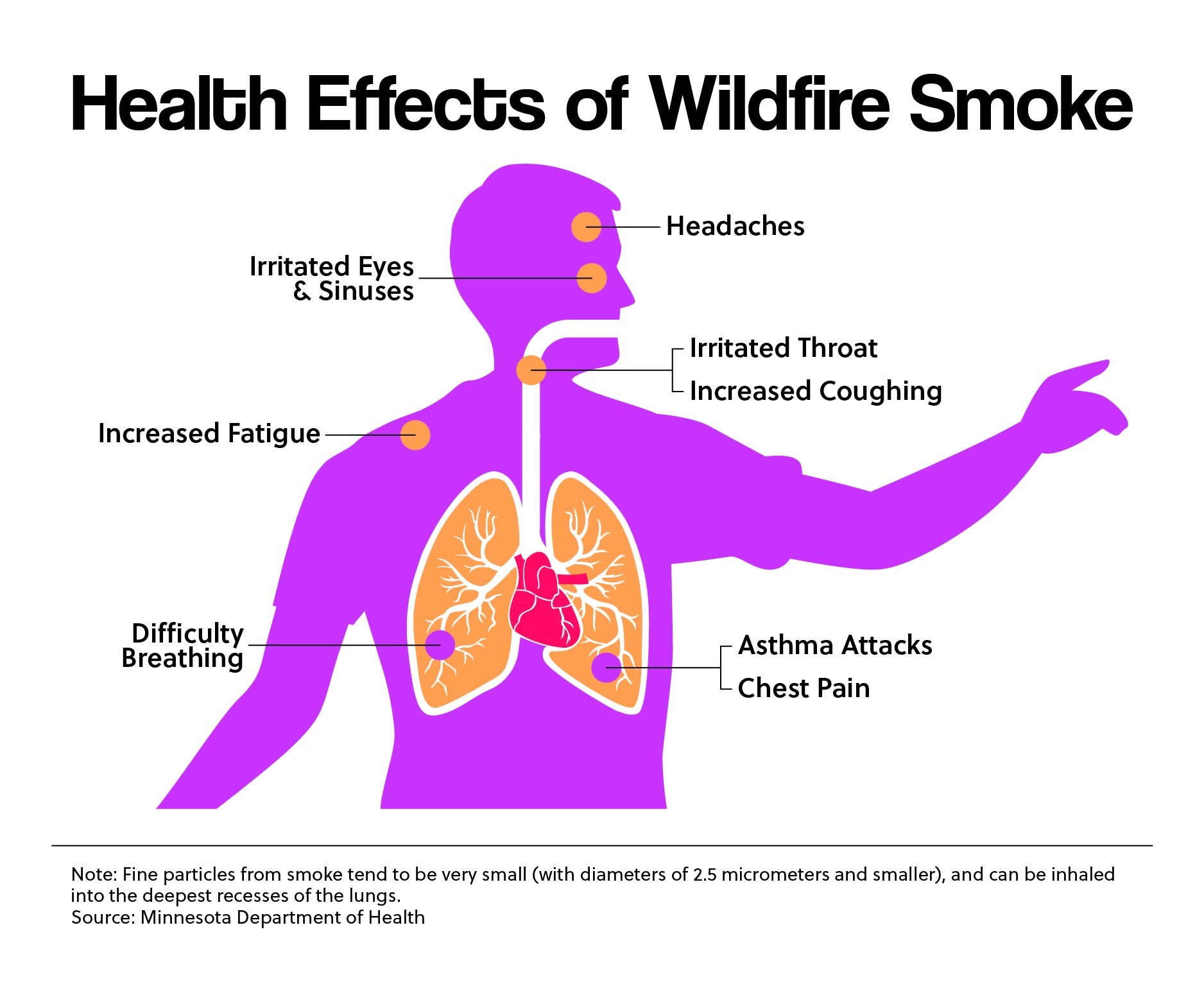
Officials in Minnesota and Michigan have issued smoke alerts from fires burning in Manitoba and Ontario. Many counties in New York state have issued alerts as well. Those alerts range in threat level. At the low end, they're urging “sensitive groups” of people to remain indoors. Those groups include children, the elderly, and those with chronic health conditions. At the high end, the alerts urge all people to stay home.
Weather experts say the blend of wildfire smoke and extreme heat raises the danger. More than 100 million people in the US are living under a heat dome this week.
“Those two things coinciding with each other is not good from a health perspective,” Tyler Hasenstein told The Associated Press (AP). Hasenstein works for the National Weather Service in Minnesota.
The exact triggers for these fires are a range of factors. Among them: lightning strikes, human neglect, and arson. But the combined effects of severe drought and extreme heat have created "a perfect storm," Professor Dan Westervelt told the AP. He teaches at Columbia University Climate School.
This "storm," Westervelt said, has made “a lot of fuel for these wildfires to burn.”
Reflect: When the air quality in your community is poor, what's one thing you can do to protect your health?
News brought to you by 
Read More News Stories Today!