
Viral Vomit, Paleontological Puke Captivate Scientific Community
February 6, 2025

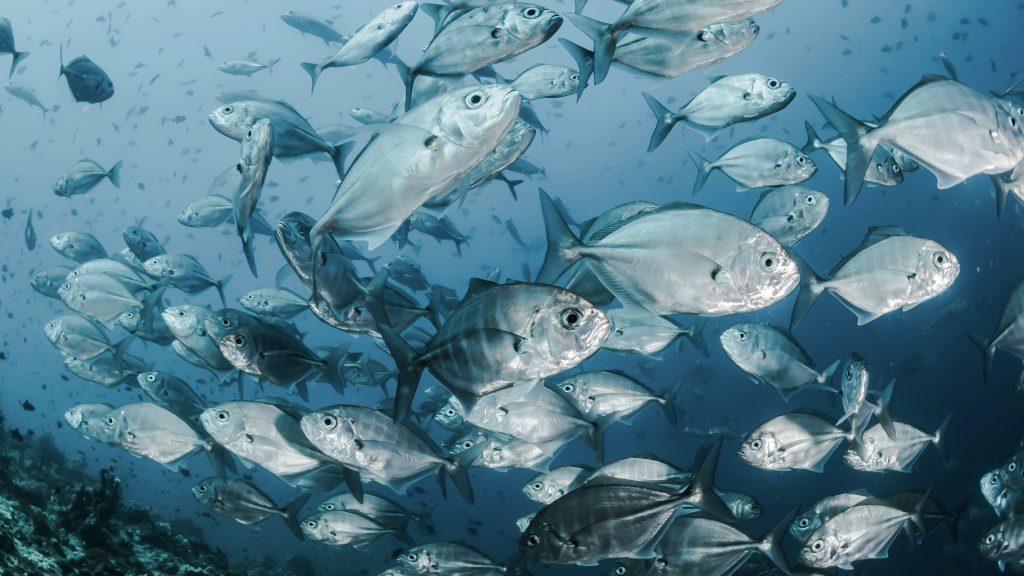
This story could set your stomach churning. 66 million years ago, a fish made a meal of some sea lilies and puked them up. Fast forward an epoch or two, to Peter Bennicke hunting for fossils near Denmark's Cliffs of Stevns. When he cracked open a ball of chalk, he found that fish’s launched lily lunch.
As soon as paleontologists heard about the fossilized vomit, it went viral. It turns out there’s much we can learn from it. Vomit fossils can reveal a lot about the diets of prehistoric animals, experts say. Officials in Denmark quickly claimed the sample on behalf of the country. They labeled it danekrae. That means something of “exceptional natural historical value.” It was sent right away to the Geomuseum Faxe for public display.
The curator of the town of Faxe’s natural history museum, Dr. Jesper Milàn, explained why they wanted to move quickly.
“This is the world’s most famous piece of puke ever,” Milàn told the BBC. “(It) is a unique glimpse into the everyday situation in the bottom of the Cretaceous sea — the sea during which the dinosaurs lived."
It’s unknown at this point what kind of fish chowed on and then threw up the lilies. But Milàn suspects some sort of bottom-dwelling shark. Unable to digest the chalkier bits of the lily, it threw them up and swam away. It couldn't have known that it left a deposit destined to be found millennia later.
The prehistoric puke isn’t the oldest ever. That honor goes to a 150 million-year-old fossil from Germany.
Reflect: If you could discover any ancient object or fossil from millions of years ago, what would you hope to find and why?
Photo of fish from Unsplash courtesy of Sebastian Pena Lambarri.
News brought to you by 
Read More News Stories Today!