US 'Allergy Capitals' Brace for Spring Season
March 21, 2025

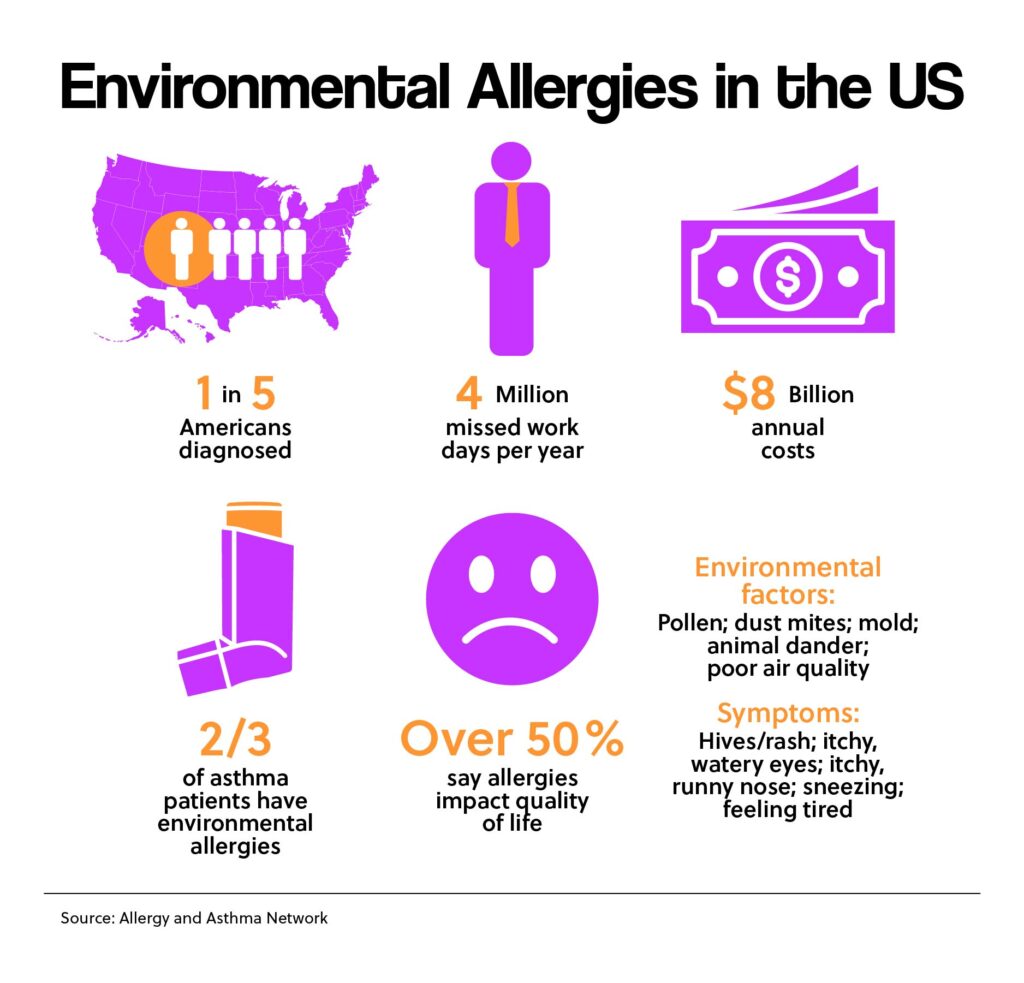
People in the Northern Hemisphere welcomed the start of spring Thursday morning. But some — those who suffer seasonal allergies — may have been dreading the day. And if they live in one of the Asthma and Allergy Foundation of America’s (AAFA) 10 worst cities for allergies in 2025? They might want to consider moving.
The AAFA puts out the yearly list. It ranks the most pollen plagued cities in the US. It also factors in how many allergy meds the average person in the city has to take to combat spring sniffles. And it tracks data on the number of board-certified allergy doctors around to treat patients. The fewer of these doctors there are, the worse a city scored.
Who will be hardest hit by allergy season? Based on data from last year, the AAFA projects that, once again, it'll be folks in Wichita, Kansas. It’s the midwestern city’s third year in a row claiming the title. It scored “Worse-Than-Average” on tree and grass pollen numbers. It scored the same on allergy meds use and doctor availability. The full list is as follows:
1. Wichita, Kansas
2. New Orleans
3. Oklahoma City
4. Tulsa, Oklahoma
5. Memphis, Tennessee
6. Little Rock, Arkansas
7. Raleigh, North Carolina
8. Richmond, Virginia
9. Greenville, South Carolina
10. Greensboro, North Carolina
And what if folks pestered by seasonal allergy in any of the above cities are looking for a sinus-saving vacation? They could book a trip to one of the five best towns on AAFA’s scale. These are Cleveland, Ohio; San Diego; Akron, Ohio; Salt Lake City; and Boston.
Reflect: How does the change of seasons affect you or your daily life?
News brought to you by 
Read More News Stories Today!