To Study Climate of the Past, Scientists to Melt 1.5 Million-Year-Old Ice
July 25, 2025

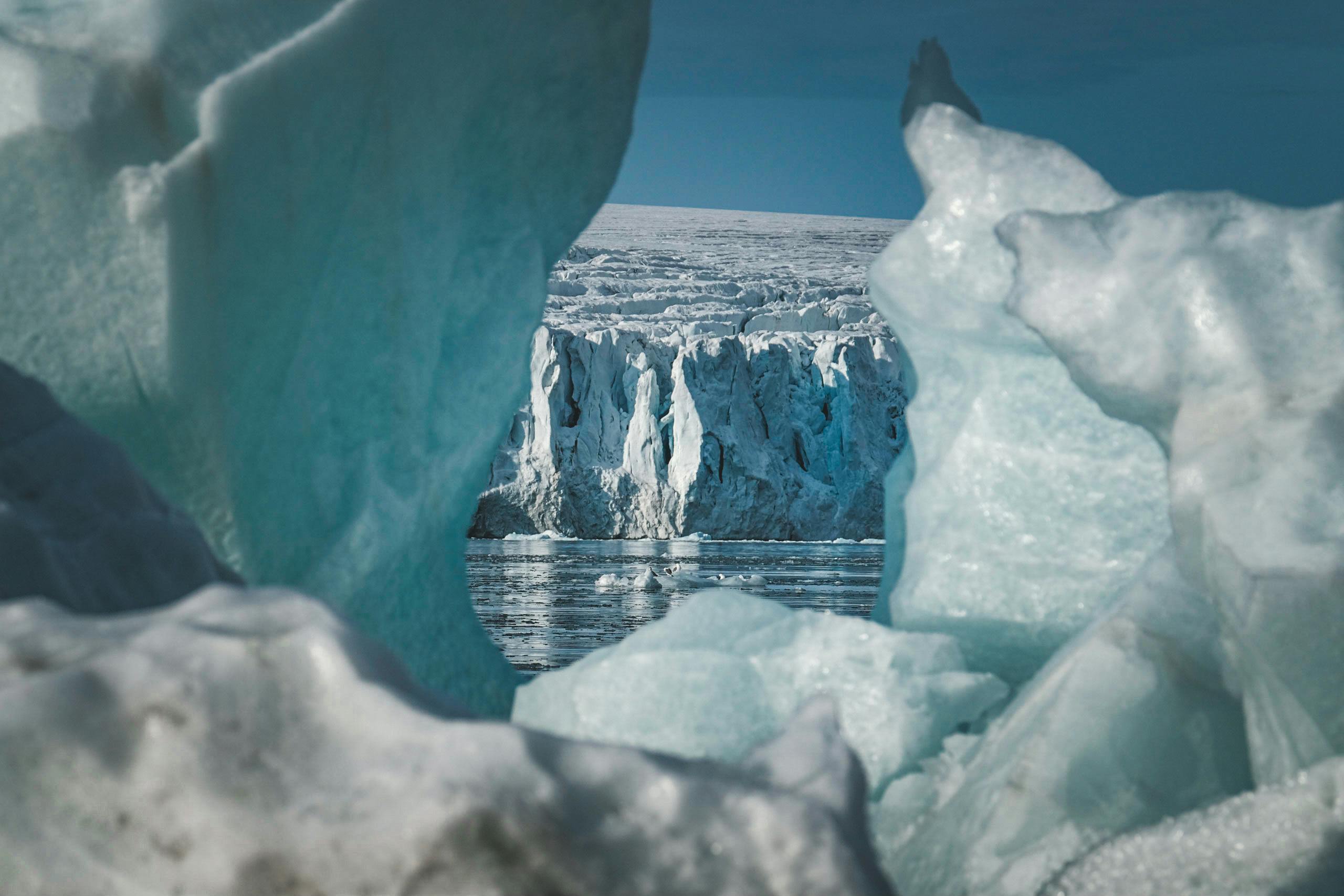
Ice melting in late July and August may not seem newsworthy. But the frozen water that scientists in the UK are about to transform from solid to liquid isn’t your normal freezer find. It’s at least 1.5 million years old.
The ice in question was bored from deep within the Antarctic ice sheet. Over millions of years under the sheet, water froze in ever-thickening layers. The ice may look crystal-clear. But it contains thousands of relics. There are trace amounts of volcanic ash. Rare earth metals may be found within. There could even be pollen or fungal spores. The ice also contains enough carbon to provide a snapshot of what Earth’s atmosphere was like a million years ago.
"This is a completely unknown period of our Earth's history," Liz Thomas told the BBC. She is head of ice core research at the British Antarctic Survey. "Our climate system has been through so many different changes that we really need to be able to go back in time to understand these different processes and different tipping points.”
Currently, the ice is being stored in long cylinders. It's in a specialized subzero containment room in Cambridge. Over the next seven weeks, scientists will slowly thaw the Antarctic core samples. Then they'll analyze the tiny particles trapped in the ice. Doing so should provide new data on what Earth’s atmosphere was like at the time the ice froze. This data may show wind patterns, temperatures, and sea levels.
Among the questions that scientists hope to answer: How does Earth respond when its carbon levels are as high as they are now? Because of human activity, there is more planet-warming carbon in the atmosphere currently than at any time in the past 800,000 years.
Reflect: What is something from the past that you think could help people make better choices for the future, and why?
Edited: Photo of glacier from Pexels
News brought to you by 
Read More News Stories Today!