To Combat Housing Crisis, California Rolls Back Environmental Law
July 3, 2025

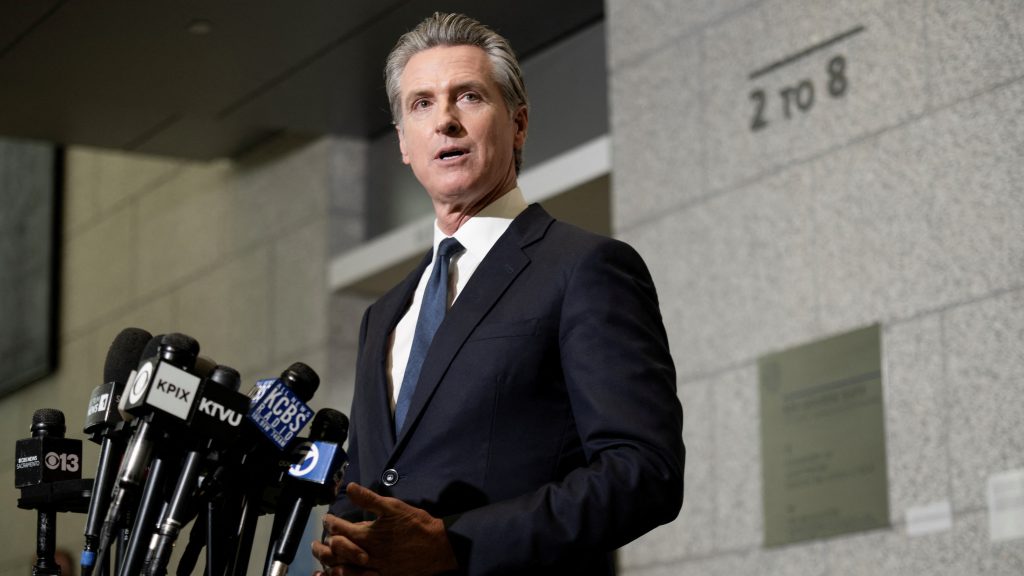
Caught between a rock and hard place, California Democratic Governor Gavin Newsom signed two bills this week. They rolled back key parts of a law that protects nature.
The California Environmental Quality Act (CEQA) became a law in 1970. It was signed by former Republican Governor (and later President) Ronald Reagan. It states that most building and development projects must be reviewed for any impacts to nature. In 1972, the California Supreme Court issued a ruling that caused CEQA to include many private projects too.
Environmentalists hailed the law as a major win. But critics noted that it stifled efforts to build cheaper housing for people who live in California. California’s population is growing quickly. It has crested well above 39 million. (That's about 12% of all people in the US.) California also leads the nation in its number of unhoused people. Many of them belong to minority groups. Many also struggle with mental health issues.
“Affordable housing is the civil rights struggle of our time here in California,” Robert Rivas said in a news conference. Rivas is the speaker of the State Assembly. He voted to roll back CEQA. He called it “a (big) step forward in that fight.”
The bills signed by Newsom exempt some projects from CEQA review. These include some projects in regions where a lot of people live. They also make it easier for urban leaders to rezone their districts for more housing. Lawmakers who voted for the rollbacks know the bills could impact at-risk environmental sites. But they also pointed to the state’s urgent needs.
“It is so critically important…to make people’s lives better and more affordable,” Democratic State Senator Scott Wiener of San Francisco told The New York Times. He is one of the authors of the bills.
Reflect: How should communities decide between protecting the environment and meeting people’s needs?
News brought to you by 
Read More News Stories Today!