Study: Rats Are Big Fans of Climate Change
February 11, 2025

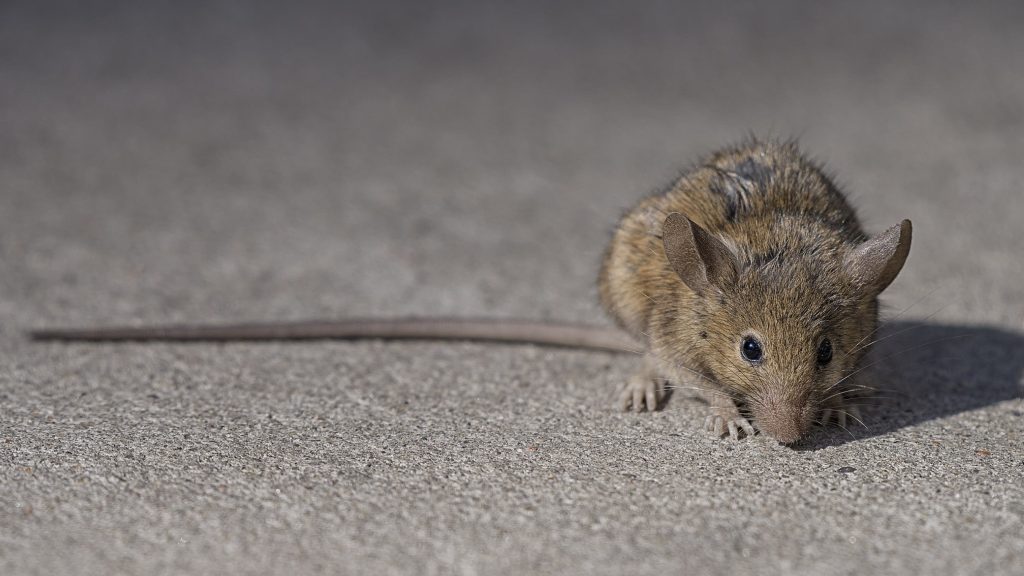
Rats.
They’re everywhere these days, it seems. And the little rodents have an outsized impact. They carry over 50 diseases that affect humans. Their invasions of restaurants, businesses, and homes cause about $27 billion in damage each year in the US alone. There have been urgent attempts to reduce their numbers. Yet rat populations keep swelling. Scientists think climate change is a big reason why.
Researchers at the University of Richmond worked with others around the globe to study rats. They looked at rat numbers in 16 of the world’s biggest cities. They used data from yearly reports of rat sightings, trappings, and inspections over the past twelve years. They found that rat numbers had grown in 11 of the 16 metro regions studied. That includes Washington DC, New York City, and San Francisco.
The study suggests a number of factors for the growth in rat numbers. But chief among them is warmer weather.
“Cities experiencing greater temperature increases over time saw larger increases in rats,” the report states. “Cities with (denser) human populations and more urbanization also saw larger increases in rats. Warming temperatures and more people living in cities may be expanding the seasonal activity periods and food availability for urban rats.”
As climate change leads to longer warm periods, rats have more time to hunt for food, spread out, and breed. Hotter air also spreads smells more quickly. This leads rats to bigger and better food. (Just think of an overfull trash can baking in a New York summer). But climate change isn’t expected to taper off any time soon. So it’s up to cities to devote more resources to rat reduction, the study says.
Reflect: How might changes in the environment affect the way animals and humans live together in cities?
Photo of a rat from Wikimedia Commons courtesy of G. Scott Segler.
News brought to you by 
Read More News Stories Today!