Study: For Some Mosquitoes, the Smell of DEET = Time to Eat
June 3, 2026

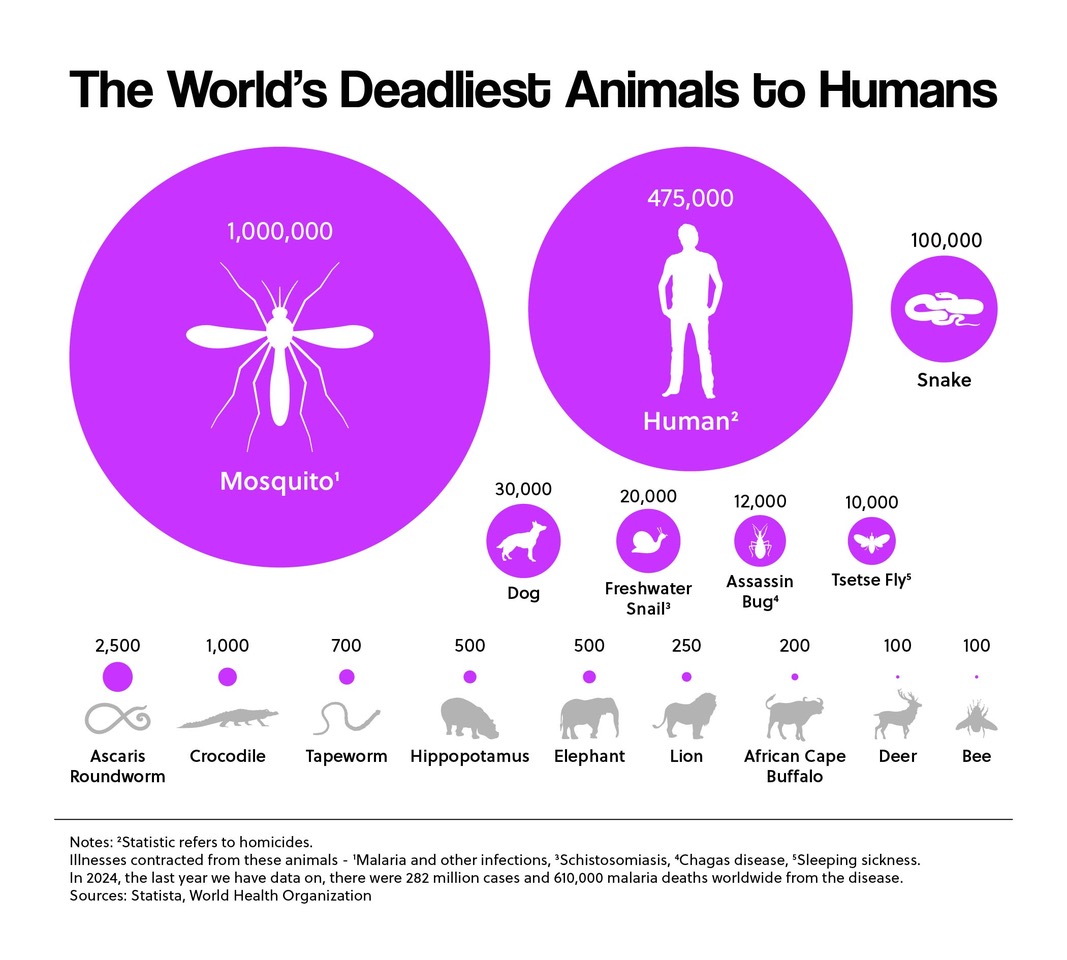
Summer is buzzing just around the corner. So too are clouds of mosquitoes eager to bite. To ward the pests away, millions of people will apply bug sprays. Many will contain the chemical DEET. That will be enough to deter most mosquitoes. But for some, it might as well be ringing the dinner bell, scientists say.
"If someone applies DEET ... but a mosquito still manages to feed, the insect may begin associating that smell with a reward," biochemist Clément Vinauger told Science X. "That's a possibility we should take seriously ..."
DEET is an acronym. It stands for N,N-diethyl-meta-toluamide. Vinauger’s team studied the long-term effects of DEET on mosquitos. The chemical works by confusing the senses that mosquitoes use to find warm-blooded prey. The team found that if feeding mosquitoes were exposed to DEET often enough, they began to associate the scent with food. That, in turn, attracted them to DEET-smelling targets.
“Mosquitoes have been shown to have impressive learning abilities," Nina Stanczyk told The Guardian. She is a mosquito behavioral specialist. She said that even though the pests can learn, the fact that they can figure out DEET=food is "remarkable."
In one experiment, the team presented two hands to a swarm of mosquitoes. One was covered in DEET. The other was left alone. DEET-exposed mosquitoes attacked the DEET-covered hand 60% of the time. Mosquitoes that had not been exposed to DEET over time never attacked the DEET-covered hand. That may show that DEET generally works. But, the team says, it also shows that the chemical may lose its potency. It may even do the opposite of what people want it to do if used too much or for too long.
Reflect: If you were designing a new way to keep mosquitoes away, what would you create and why?
News brought to you by 
Read More News Stories Today!