Study: Budget Cuts Wrong Prescription for Climate Change Impact on Farming
April 15, 2025

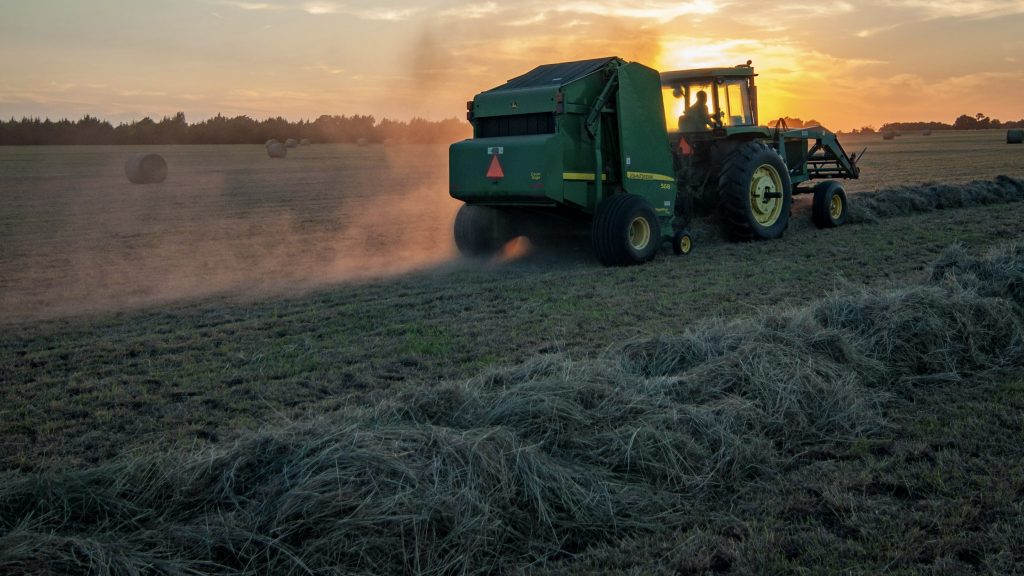
Farming production in the US is in the midst of its first decline in decades, a new study has found. That’s because much of the money for researching the best farming techniques to cope with climate change has been cut. The study calls on the government to spend more money to confront the problem.
The report, published in the Proceedings of the National Academy of Sciences, showed that funding dropped by a third between 2002 and 2019. That is a drop of about $2.5 billion. Funding appears to be falling even more due to budget cuts under President Trump.
Study author David Lobell wrote in a statement that it's hard to imagine the severe impact of a slowdown in growing food. That, he says, is because "few living people have experienced it." Lobell heads Stanford University's Center on Food Security and the Environment. The research team has called for a spending increase of roughly $4 billion per year to deal with the problem. Without that, the team says US farming will likely continue to decline. That could require more money to bail out farmers. And it could force the US to turn to other nations for some types of food.
Experts warn of major long-term losses to the nation’s food supply if current warming trends continue. US farmers could grow 24% less corn by 2030. The US “corn belt” could become unsuitable for growing it by 2100. But funding to find ways to address the problem is drying up.
University of California-Davis researcher Erin McGuire recently had to lay off her staff due to budget cuts. Her work focused on ways to make produce more resistant to heat and drought.
“It’s really just been devastating,” McGuire told The Associated Press. “I don’t know how you come back from this.”
Reflect: How do you think changes in agriculture and food production might affect everyday life in the future?
Photo of tractor on farmland from Unsplash courtesy of Jed Owen.
News brought to you by 
Read More News Stories Today!