
Solar Takes Up Space. So Do Cows. Tennessee Ranch Asks: Why Not Both?
May 15, 2026

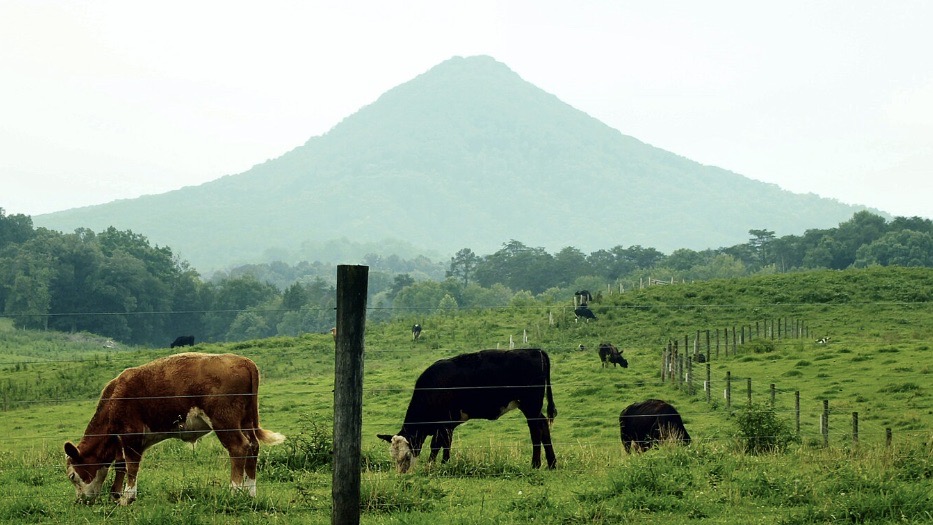
To raise cattle, farmers need wide swaths of grassy land upon which the livestock can graze. To create a working solar farm, energy companies need wide swaths of stable land upon which to build solar panel arrays. If you’ve a mind for multitasking like the owners of Silicon Ranch, a 15,000-acre farm in Tennessee, you likely know where this is going.
The ranch supports many large herds of sheep and cattle. It has set aside 40 acres for a new experiment in agrivoltaics. That's the science of melding farming with energy output. Other agrivoltaic projects have involved making new fuels out of farm waste or placing massive wind turbines in the middle of fields. But Silicon Ranch aims to harvest the sun’s power directly via solar panels.
Thus far, the plan seems to be working. The solar panels tilt to follow the sun throughout the day. And they allow enough light and rain to get past to keep the grass beneath growing. The cattle, meanwhile, mosey beneath the panels. They munch along and enjoy the shade. The solar arrays also slow water evaporation from the soil. This protects the grass more against droughts. Cooler cows are also healthier, too. That's because they suffer less from heat stress.
“There are more win-wins than trade-offs,” Anna Clare Monlezun told The Associated Press. She's an ecosystem scientist. She works at Silicon Ranch.
Monlezun and her team hope to convince other farmers to follow their lead. They want to convince others to protect the Earth with clean, renewable energy and to ensure that America’s farms can stay solvent, even in tricky economic times. The US has an estimated 20 million acres of ranchland. Farmers can make up to $1,000 per acre by leasing their land for solar arrays.
Reflect: What is a creative way you’ve solved two problems at once?
Photo of a cattle ranch in Tennessee from Wikimedia Commons.
News brought to you by 
Read More News Stories Today!