Sea Horse Smuggling Now Rampant Across the World
June 24, 2025

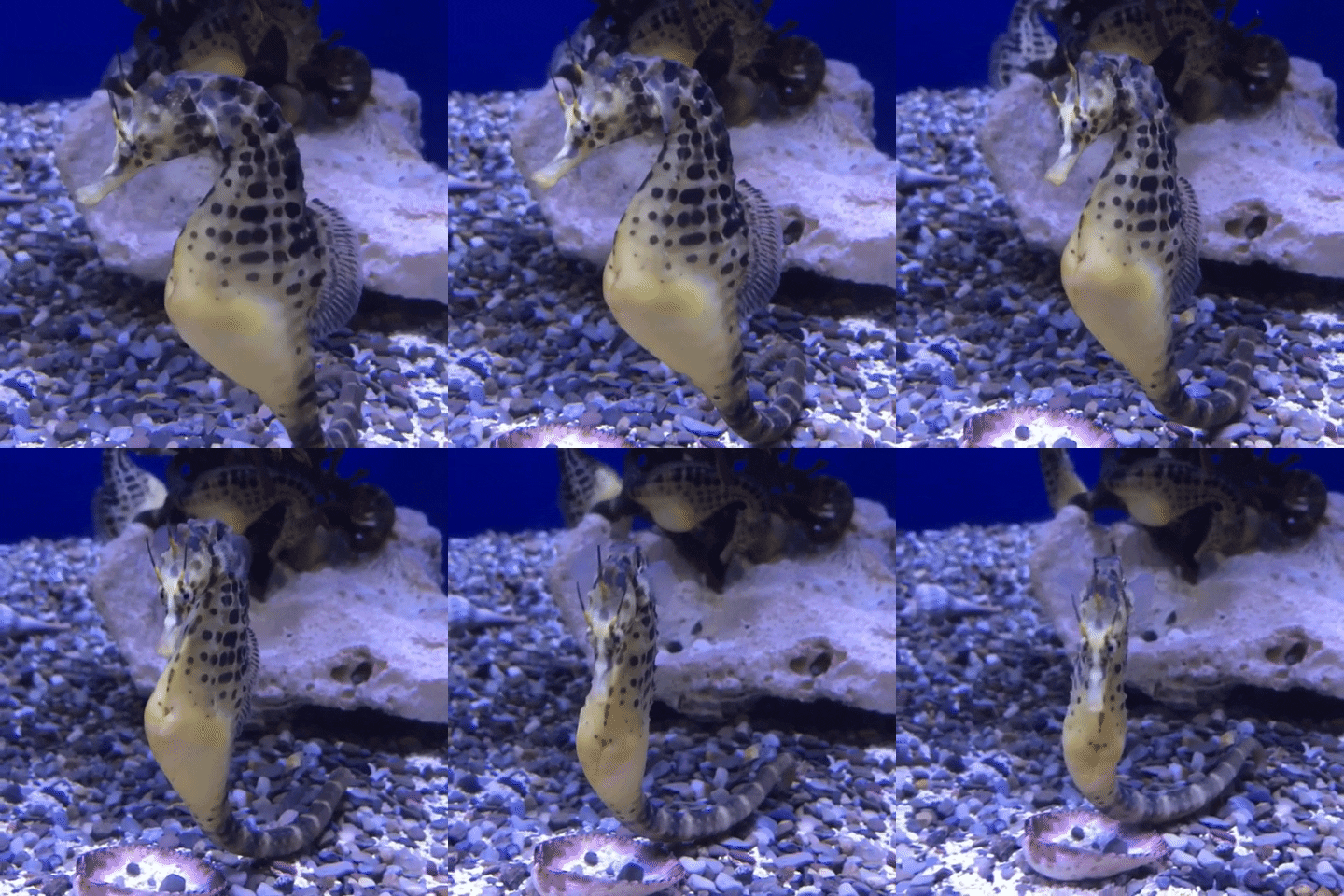
Animal traffickers are smuggling high numbers of sea horses through airports and other transport hubs. The trend comes even as governments have put new laws in place to curb the action.
More than 5 million smuggled sea horses were seized by authorities between 2010 and 2021. They were valued at about $21 million. This comes from a newly released study in the journal Conservation Biology.
The study reveals a global problem, the study’s lead author, Sarah Foster, said. Foster is an oceans and fisheries researcher. She works with the University of British Columbia’s Project Sea Horse program. Foster noted that the true scale of illegal sea horse trade is likely much larger.
The sea horse black market is largely based in China and Hong Kong. But the study said officials in Europe and Latin America are now seizing more outlawed batches. They're often smuggled among other outlawed animal items, like elephant tusks.
Some smuggled sea horses make their way to aquariums. They're then sold in souvenir shops. But they are more likely to be used for Chinese medicine. Dried sea horses are added to a tea. The tea is given to people with ailments like asthma.
Customs officials at airports seized the most numbers of sea horses, the study said. But it’s unclear if those smugglers faced charges. Only 7% of records reviewed by the study found data about smugglers being charged with a crime.
A certain number of sea horses are allowed by foreign treaties to be traded legally, the Smithsonian magazine said. Traders can apply for permits. Yet, many ply their trade on the black market instead. That's because certain sea horse species are endangered and banned from legal trade. It’s hard for traders to discern those creatures from non-endangered ones.
Reflect: If you could help protect a threatened animal, what kind of actions would you make in your daily life to support that goal?
News brought to you by 
Read More News Stories Today!