Scientists Preserve Earth's Climate History in Antarctic 'Ice Core' Vault
January 26, 2026

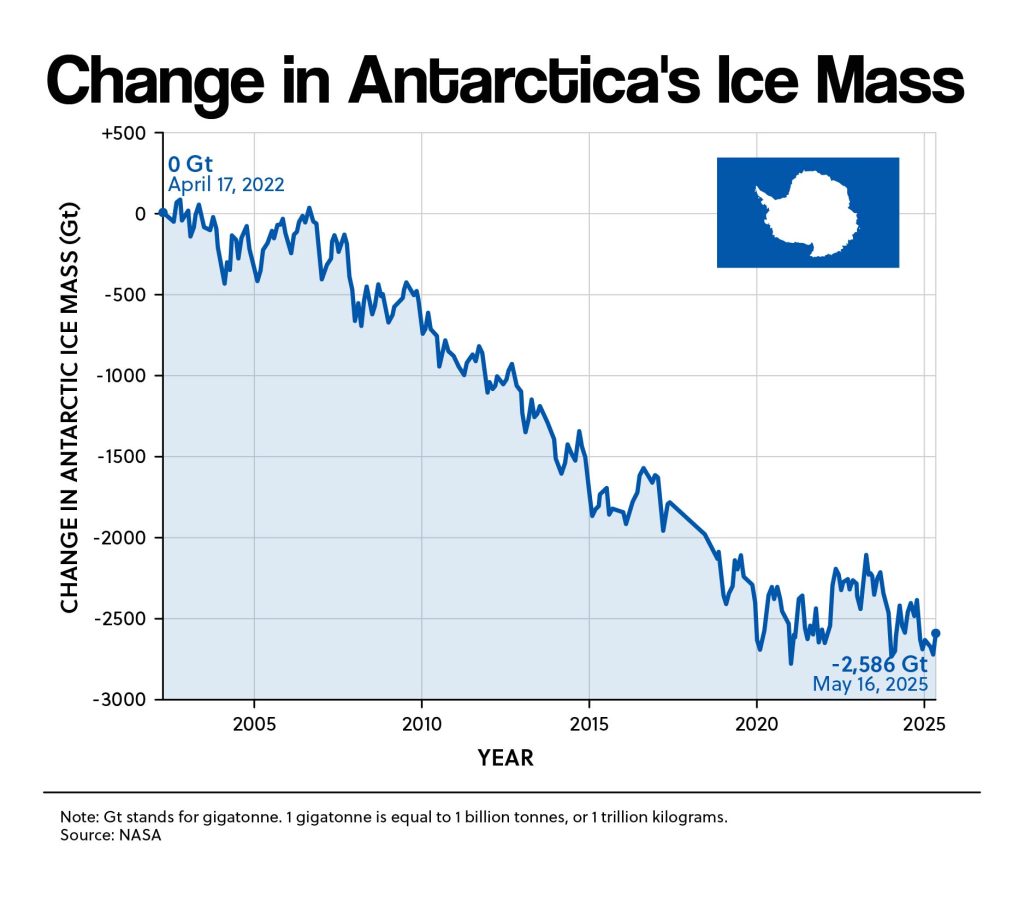
Earth's glaciers are melting across the planet. And a group of research institutes in Europe are trying to prevent the loss of Earth’s climate history that could result from that. They've launched a vault deep in Antarctica to preserve ancient data bound in the world's frozen ice cores.
The Ice Memory Sanctuary took in its first samples from French and Swiss mountain glaciers. It did so during a formal event. The event was held at the Great White South's Concordia Station on January 14. Ice cores from the Andes, Pamir, Caucasus, and Svalbard mountain ranges will soon follow. They are located, in order, in South America, Tajikistan, between Europe and Asia, and the Arctic. The cores will be stored at -50 degrees Celsius in a South Pole cave vault. From there, scientists will be able to use them for study for hundreds of years to come.
“The Ice Memory Sanctuary is more than a scientific milestone,” Celeste Saulo said. Saulo heads the United Nations World Meteorological Organization. Saulo said by storing glacier ice, climate records can be saved for a very long time. That means that crucial past data can be used in the future, she said.
Ice cores archive Earth’s climate past. They do so by trapping air bubbles. They also trap isotopes and particles in layered ice sheets. These ice sheets date back hundreds of thousands of years. Cores have been taken from Antarctica and Greenland. They've revealed temperature and greenhouse gas changes. They've also revealed other major events going back to a time when early human species walked the planet.
Scientists say saving these ice cores is vital to adding to their knowledge of ancient climates. That’s because new tech may help them unlock new data about that past.
Reflect: If you were tasked with collecting items from your local ecosystem to show future generations about your environment, what objects would you choose?
News brought to you by 
Read More News Stories Today!