Scientists Discover Volcanic Source of Mini Ice Age
January 13, 2025

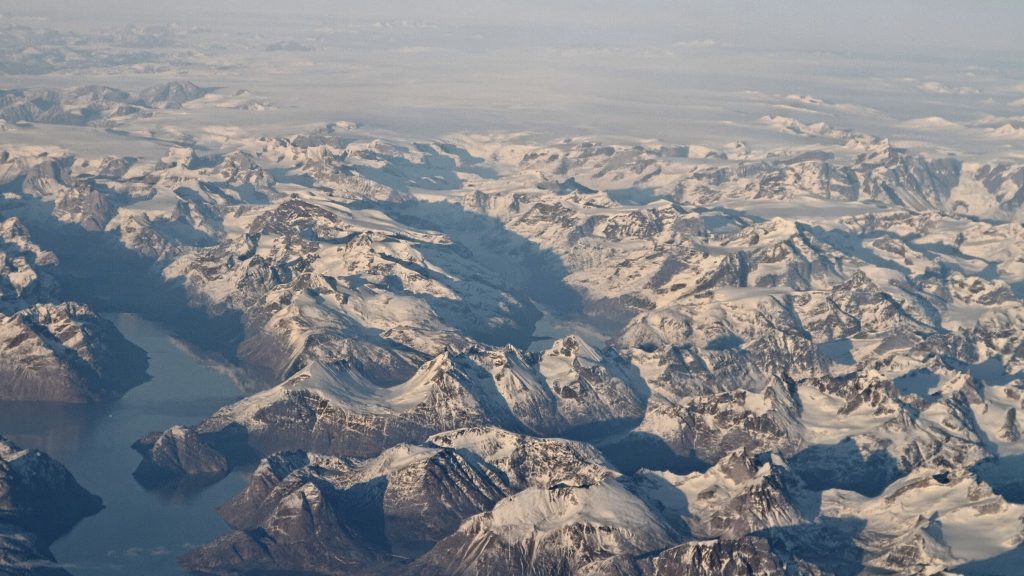
The “Little Ice Age” climaxed in 1831. It dropped Earth’s average temperature a full degree Celsius. Researchers have known for decades this was caused by a volcanic eruption. They just weren’t sure where. Now, scientists have blown the lid off this modern mystery. And it's all thanks to radioactive dating and computer modeling.
The 1831 eruption was massive. It covered much of the Northern Hemisphere in sulfur dioxide. This event darkened the skies. It also caused much of the sun’s heat to be absorbed before it could reach the planet’s surface. When all that ash finally fell, it left a thin layer behind. Most was washed away by rain. But this didn't occur in frigid places like Greenland. In such places, the cinders were frozen in ice. That’s where Dr. William Hutchison found them. The earth scientist works at the University of St. Andrews in the UK.
Hutchison’s team retrieved ice cores from Greenland’s tundra. Within, they found tiny shards of volcanic glass. They found sulfur isotopes, too. They then traced the geological roots of the items. This didn't lead the team to a volcano near the equator as they'd guessed. Instead, it led them to Zavaritskii. It's a dormant volcano. One that resides on an archipelago between the Sea of Okhotsk and the Pacific Ocean.
Zavaritskii is on a very remote island between Japan and Russia, Hutchinson told CNN. No one lives on the island. Plus, the only historical records are a handful of diaries from ships that sometimes passed it, Hutchison said.
Hutchison’s research has impacts on other fields of study. Historians have long questioned the causes of famine throughout Asia in the early 19th century. Zavaritskii may help explain it.
Volcanic climate cooling might've led to crop failure and famine, Hutchison noted.
Reflect: How do you think discovering the cause of an event from the past can help us understand or prepare for challenges today?
Photo of Greenland tundra from Wikimedia Commons.
News brought to you by 
Read More News Stories Today!