Report: Only 17% of World's Cities Meet Safe Air Quality Standards
March 24, 2025

In 2022, the United Nations (UN) said that access to clean air is a basic human right. A report published recently suggests that right is in danger for most of the world.
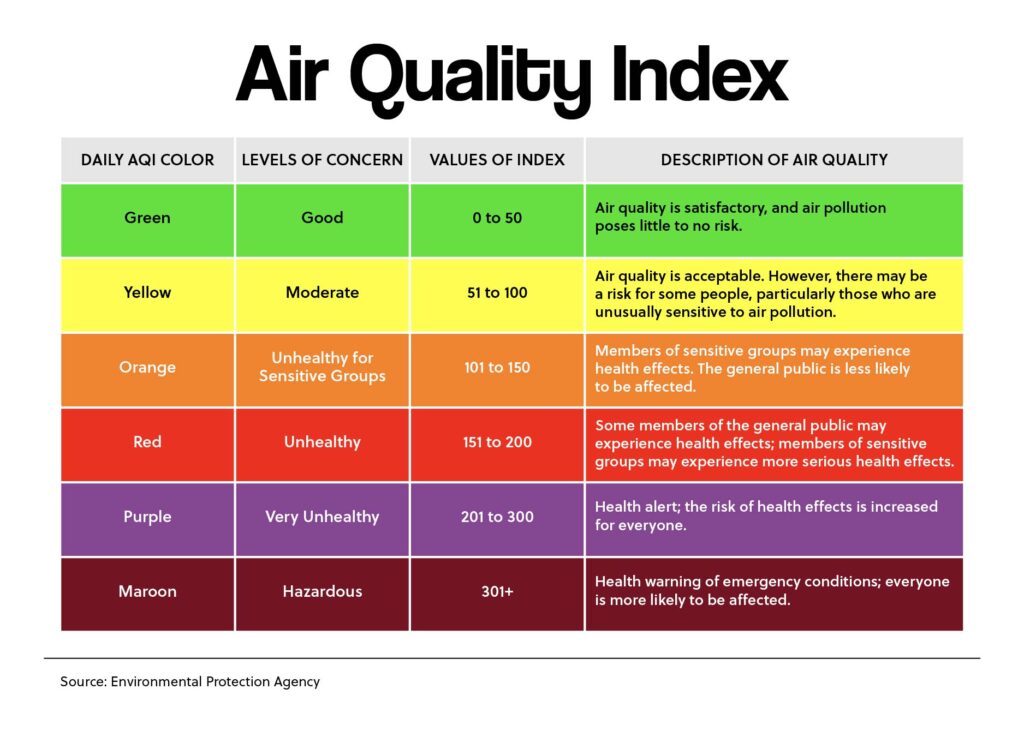
IQAir is a Swiss database. It tracks air pollution. It surveyed 8,954 cities in 138 countries about their air quality in 2024. It found that only 12 countries met the UN’s yearly guidelines for healthy air. Most of those were island nations. Many cities had air pollution at least 10 times over safe levels in each month they were tested. Often, wildfires or factories were the cause.
Of the 10 cities with the worst air, six were in India. Pakistan sits to India’s west. It had six cities in the 20 most polluted. The African countries of Chad and Congo joined Pakistan, India, and Bangladesh as the five countries with the most toxic air.
In the past, the US has gathered air quality data at its embassies and consulates around the world. This month, it said it would no longer share that data with the world. Health and climate experts questioned the move. They argue that tracking is more crucial now than ever.
“Their removal means a critical gap,” Khalid Khan told The Associated Press. He is an environmental advocate. He is stationed in Pakistan.
Despite the spread of air pollution, the IQAir report also suggests that it is a fixable problem. Through regulation of polluters and awareness campaigns, major cities like Beijing and Seoul have lowered their air pollution levels in recent years.
Reflect: How can small changes in daily life make a big difference for the planet?
News brought to you by 
Read More News Stories Today!