Proposal to Add Monarch Butterflies to Endangered List Takes Flight
December 19, 2024

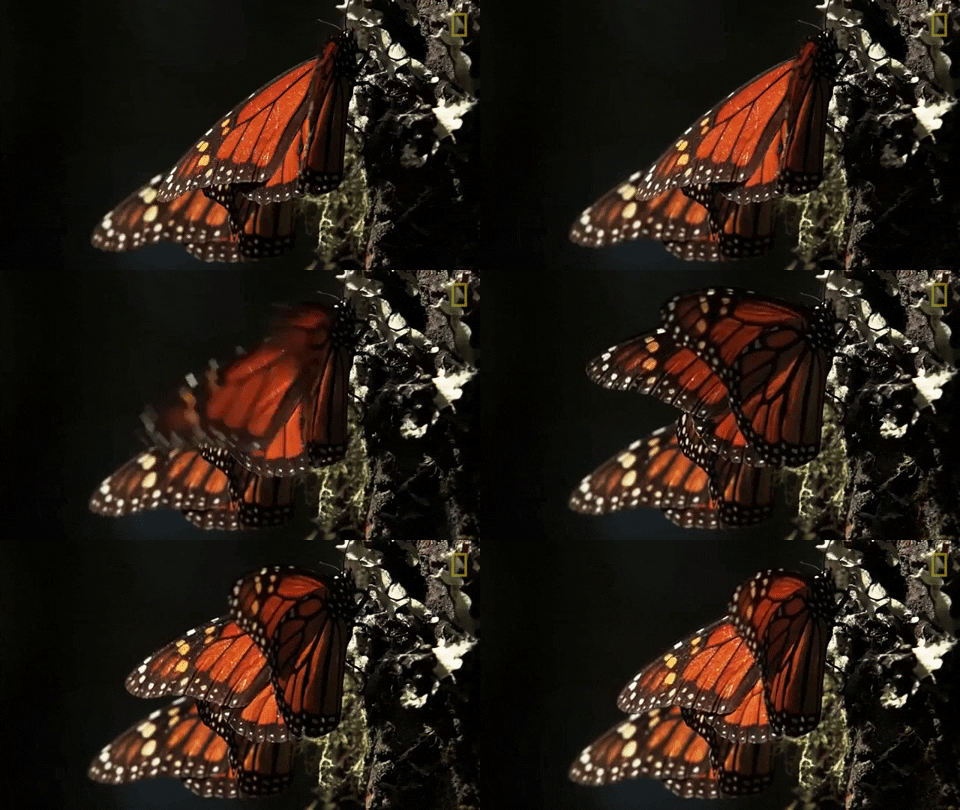
Monarch butterflies have had a rough go of it in recent decades. In fact, their numbers have dropped so much that the US Fish and Wildlife Service (USFWS) wants to add them to the Endangered Species list.
The USFWS' proposal would label monarchs as “threatened.” That means they're likely to become endangered in the near future. There are still millions of the orange and black insects. But their population has taken a big hit since the 1980s. The USFWS estimates that eastern monarchs have seen an 80% drop in numbers. Western species have declined even further. They've fallen by as much as 95%.
Monarch caterpillars eat milkweed. It grows in meadows and gardens. When it is cut away, the butterflies suffer. Logging, wildfires, and city growth remove milkweed. So monarchs lose their food source. They are also vulnerable to insecticides. Farmers used them to drive moths away from crops. But they can kill butterflies too. So can the extreme heat caused by climate change. Placement on the Endangered Species list would afford the butterflies more legal protections.
“Despite (the monarch’s) fragility, it is remarkably resilient," USFWS director Martha Williams told CNN. She argues that legal protections build on public efforts to protect the butterflies.
Like bees, monarchs are a keystone pollinator. They help maintain humans’ food supply. Protecting them, experts argue, ensures the continued safety of our own species.
Reflect: If you could create a sanctuary for an endangered species, what would it look like and how would it help them thrive?
Gif of monarch butterflies from GIPHY.
News brought to you by 
Read More News Stories Today!