'Plastics Crisis' Needs Immediate Attention, Medical Journal Says
August 7, 2025

he world is in the midst of a “plastic crisis.” The substance is polluting our oceans, rivers, land, foods, and our bodies. Plus, this crisis is costing governments around the globe a whopping $1.5 trillion each year. That’s from a review released by the medical journal The Lancet.
Plastics are a severe and growing danger to the health of humans and the planet, a team of experts wrote in the report. The team said plastics are causing disease. Plastics are also causing early death in humans from infant to senior years, they said. This harm falls greatly on low-income and at-risk populations.
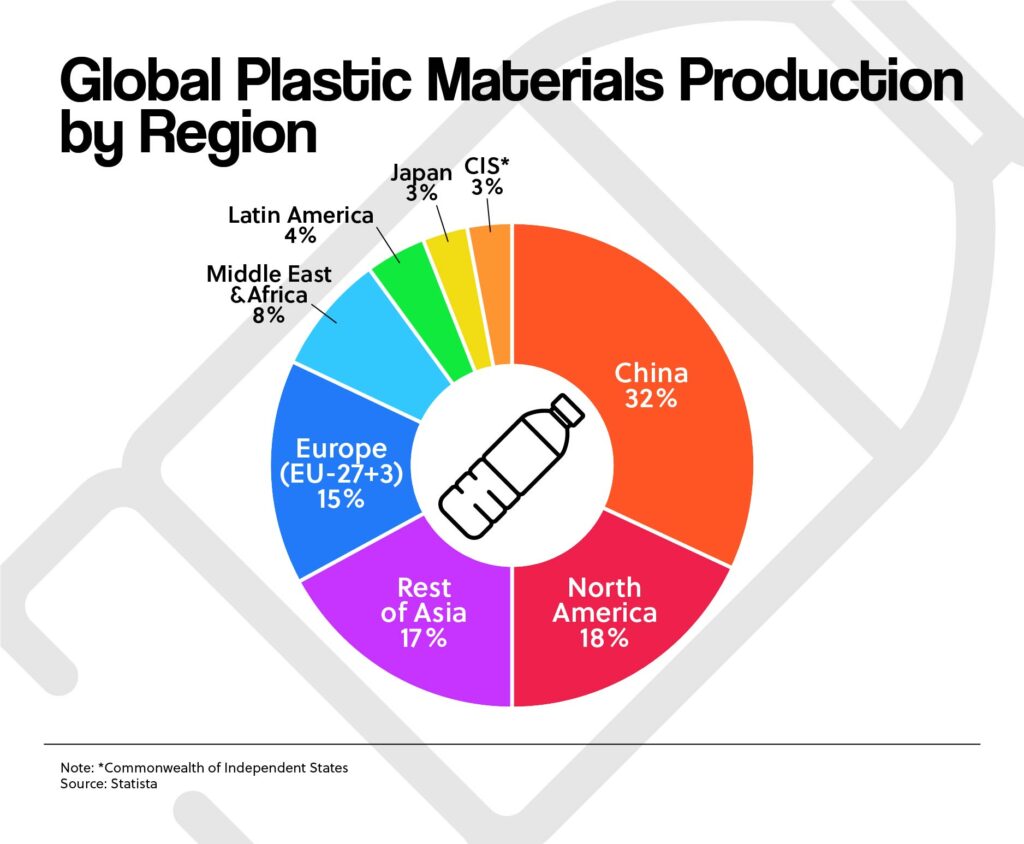
What's driving this crisis? The rise in production of plastics. In 1950, the world produced 2 megatons (Mt) of plastics. By 2022, it surged to 475 Mt. This is likely to reach 1,200 Mt by 2060. As a result, plastic pollution has greatly worsened. Now, 8,000 Mt of plastic waste pollute the planet, the report said. Less than 10% of plastic is now recycled.
The report’s release comes just before this week’s sixth and final round of talks among major nations over how to manage the crisis. Countries are seeking to sign a plastics treaty. But provisions of the treaty have been the source of major disagreement, The Guardian said.
Over 100 nations support capping plastic production, as well as some chemicals involved in the process of making plastics. But some countries like Saudi Arabia have opposed that cap. Also, the plastics industry has fought the cap. It argues that the emphasis should be placed on improving and expanding plastic recycling, not limiting its production. The Lancet experts disagreed, however: “It is now clear that the world cannot recycle its way out of the plastic pollution crisis,” the report said.
Reflect: What are some choices you’ve made about using or throwing away plastic?
News brought to you by 
Read More News Stories Today!