New 'Rapid Attribution Study' Estimates 1,500 Deaths in Recent European Heat Wave
July 14, 2025

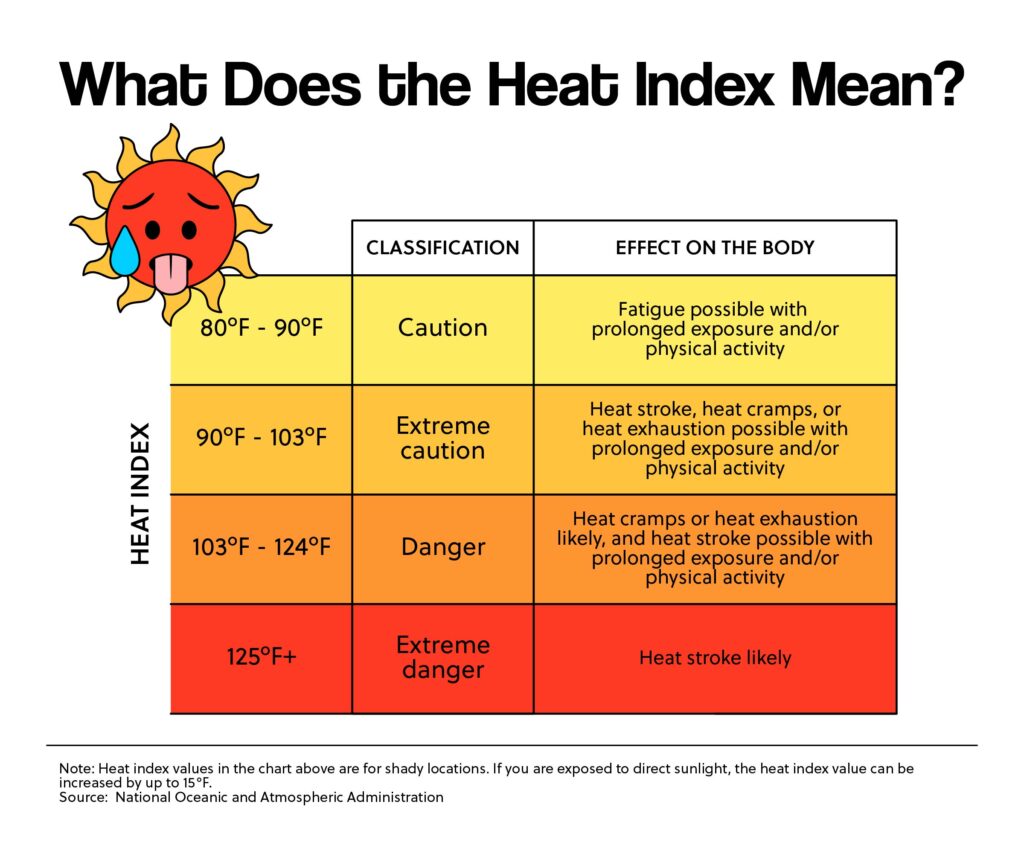
A first-of-its-kind study found that 1,500 people died from high temps caused by climate change during a late-June heat wave in Europe. Some regions hit temps as high as 114 °F.
Experts generally support the findings. But they point out that the study is not yet peer-reviewed. That means other experts have not evaluated the full study. The death toll is only an estimate. Some believe the true numbers of deaths to be much higher.
“Heat waves are silent killers,″ co-author Gary Konstantinoudis told reporters last week. He's a biostatistician. "People do not understand the actual mortality toll of heat waves.” He added that this is because heat is rarely listed as a cause of death.
The report is based on a “rapid attribution study.” It was published within days of the heat wave. Normally, those sorts of impact studies take months or years. Experts who produce such studies rely on peer-reviewed climate models. They use the models to compare current weather with a world in which climate change has not occurred. Past rapid attribution studies have tried to figure out how much climate change contributed to severe weather events. This one is the first to quickly estimate a death toll.
The research team claims that roughly 2,300 people in Europe probably died from the heat during the June 23-July 2 heat wave. They found that nearly two-thirds of them died from the increase in temps added by climate change. That was compared with the temps one would expect in Europe without climate change. Most of the estimated deaths were to people aged 75 or older, the study found.
Among the cities studied were London, Paris, Rome, Madrid, and Milan. Seven other cities across Europe were also studied.
The report found Barcelona, Milan, and Paris suffered the most excess deaths due to climate change.
Reflect: What are the potential benefits and drawbacks to releasing the findings of a study before it has been peer-reviewed? (Peer review is a process by which experts in a field of study evaluate the validity and significance of research findings).
News brought to you by 
Read More News Stories Today!