Making Light of the Darkest Days of the Year
December 19, 2025

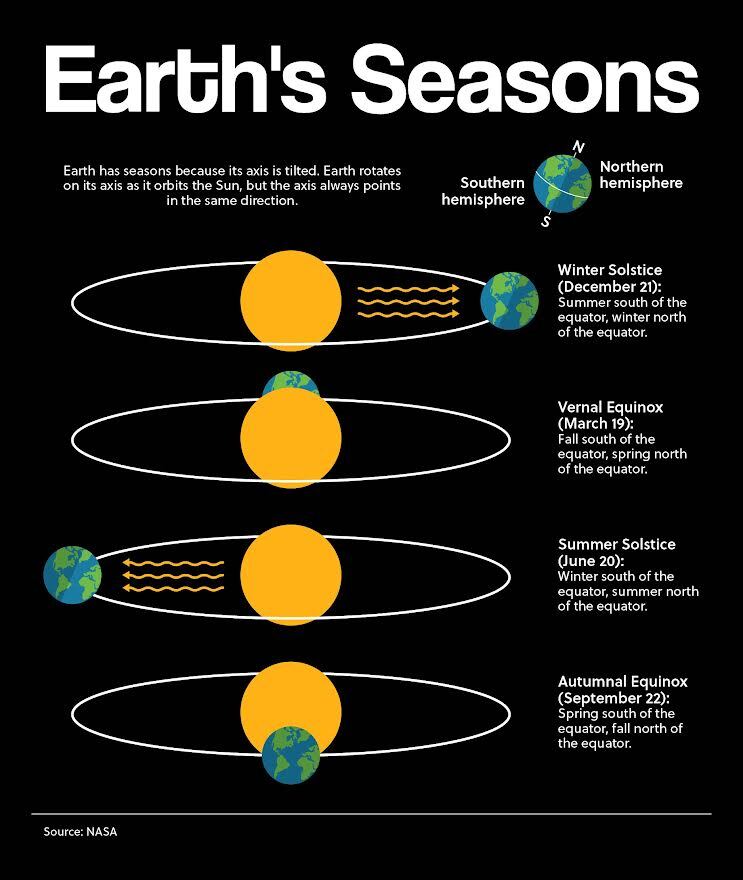
Welcome to the weekend of winter! Sunday marks the winter solstice in the Northern Hemisphere. It's the day when the sun will be at its farthest point from continents like North America, Europe, and much of Asia. It kicks off a season of long, dark nights and shorter days. Many people find this time tricky to navigate, mood-wise. The days don’t all have to be so dark, though, figuratively speaking.
The US National Institute of Mental Health estimates that up to 16.5 million Americans suffer from SAD. It stands for seasonal affective disorder. It can cause fatigue. It can also cause trouble concentrating and headaches. They are connected to reductions in daylight. They can also be caused by a lack of physical activity or socialization. Both can be harder to get in winter.
NBC News traveled to Norway, Finland, and Sweden to see how people there cope with the wintertime blues. Because of Earth's tilt, the three countries spend much of the winter in the dark. Some of their advice mirrored what doctors suggest for dealing with SAD: Make sure to stick to a sleep routine. Be social. Get plenty of exercise.
Dr. Timo Partonen is a research professor at the Finnish Institute for Health and Welfare. He offered NBC a few tech tips. He recommended using a “dawn simulating” alarm clock. The device wakes the user with light in addition to sound. Christian Benedict is a professor at Uppsala University in Sweden. He suggested spending time in rooms with lights about 20 times brighter than the standard indoor bulb. Doing so can simulate an afternoon in the sun.
Ida Solhaug, a professor in psychology at the University of Tromsø in Norway, had one more piece of advice. “Prioritize a positive outlook as a survival strategy and learn to appreciate the change in seasons,” she told NBC.
Reflect: What helps you stay positive or balanced during times of the year that feel darker, colder, or more challenging?
News brought to you by 
Read More News Stories Today!