Like Your Toast Crispier? CRISPR's Got You Covered
June 2, 2026

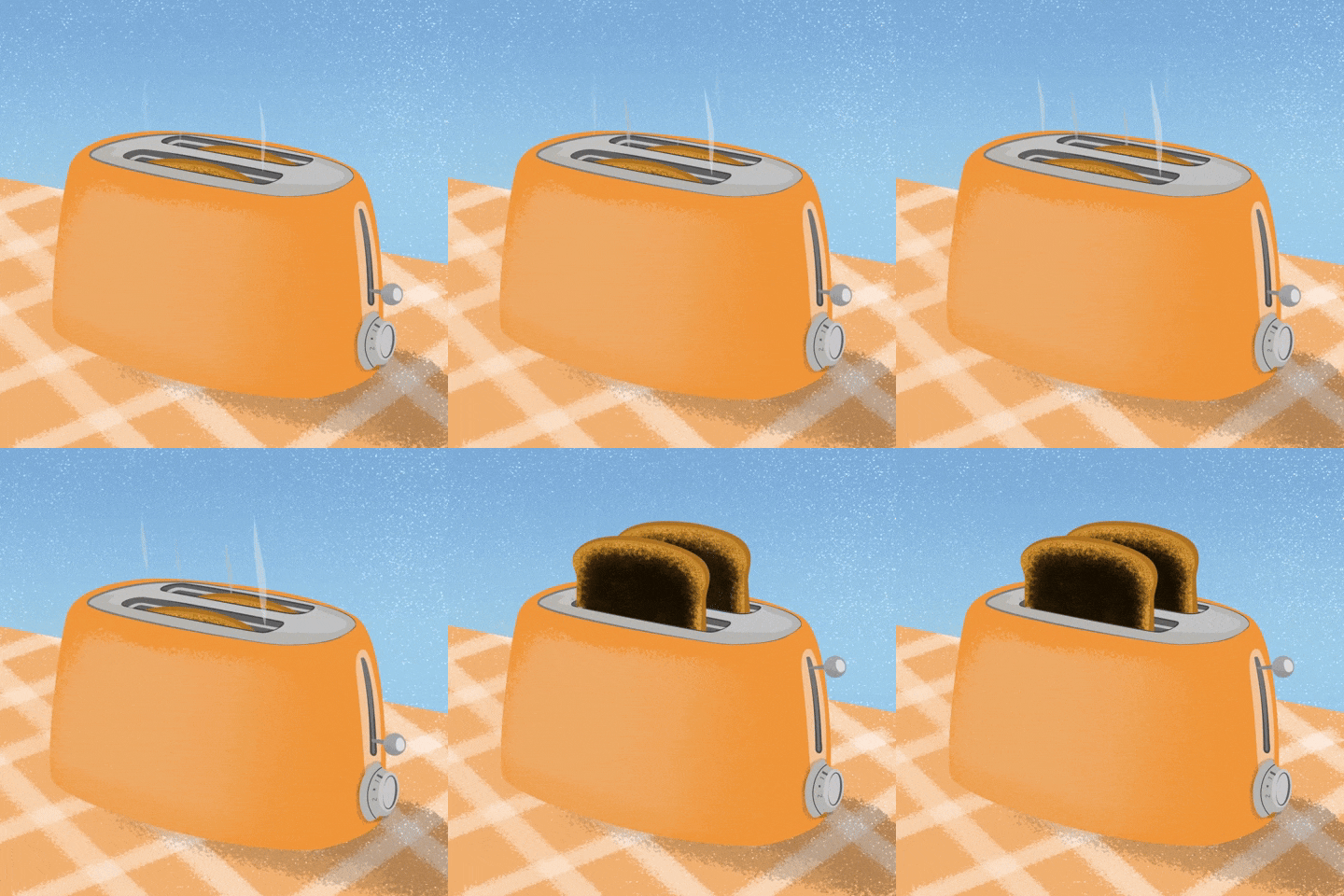
Some people prefer their toast to be charred. Eating lots of burnt bread also brings with it the risk of cancer, though. Scientists at Rothamsted Research in the UK may now have a hack for that.
Wheat products are a staple at breakfast tables across the Western world. But eating the grain is not without risks, especially if it’s toasted. That’s because it contains the amino acid asparagine. When exposed to high heat and allowed to burn (think blackened toast), the amino acid converts to acrylamide. Acrylamide is a carcinogen. If eaten enough over a long period, it can increase the risk of cancer.
Rothamsted's research team worked to transform the DNA of a crop of wheat plants. They used CRISPR gene-editing technology. The method uses an enzyme to cut out parts of DNA. It leaves all the other parts of a gene sequence intact. In this case, the research team removed the DNA that causes wheat to produce asparagine.
The result was a flour that releases 45% less acrylamide than non-treated grain when it's baked.
"It’s proof of concept," Nigel Halford told The Times UK. He's a researcher at Rothamsted. "We can reduce asparagine levels by a lot."
Halford noted that the findings may help farmers comply with new laws in the UK and elsewhere that place limits on carcinogens in food. The findings were published recently in the Plant Biotechnology Journal.
Halford said the food industry could benefit greatly from his team's findings.
Reflect: What are some benefits and risks of using science to change the foods people eat every day?
Gif of burnt toast from Giphy.
News brought to you by 
Read More News Stories Today!