
In-Vitro for Coral: Dominican Republic Scientists Spawning New Coral in Labs
January 6, 2026

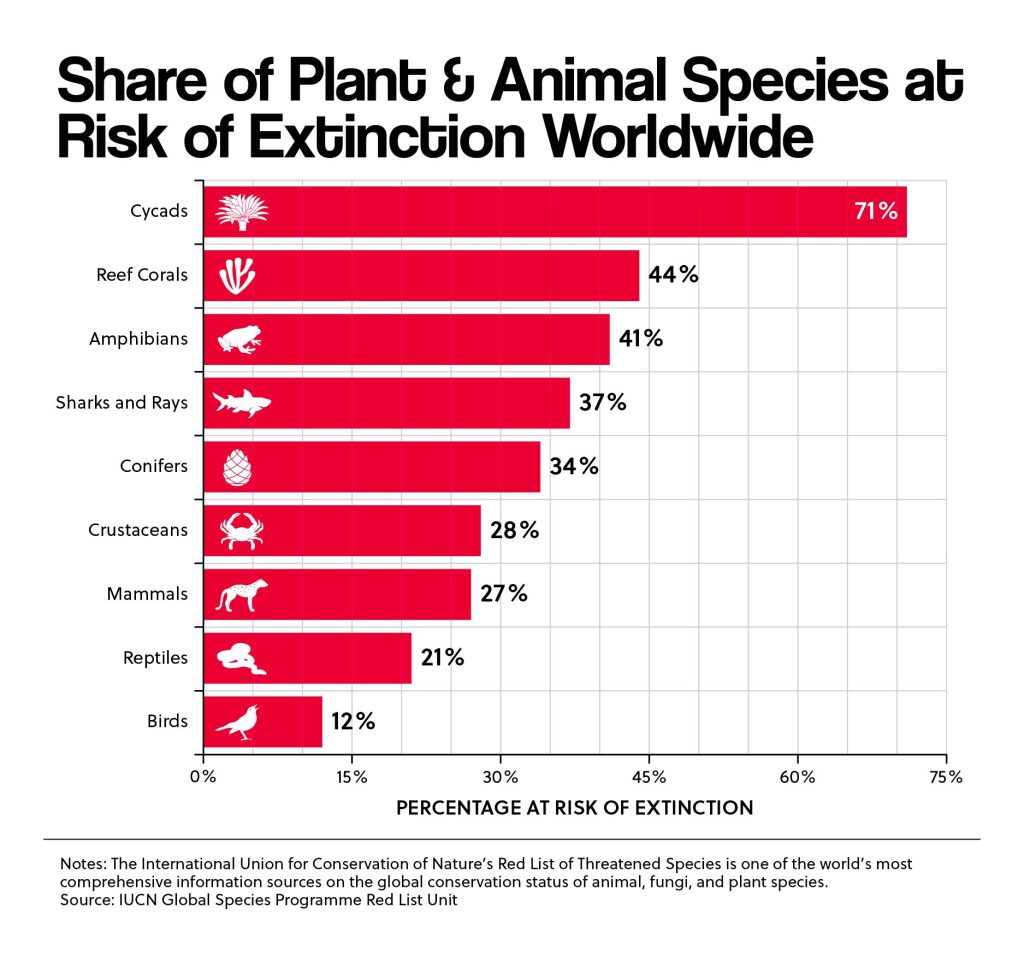
The signs of climate change across the planet are glaring. They include melting glaciers, droughts and severe storms, and rising sea levels. But for people of the Dominican Republic (DR), the clearest sign is the massive loss of coral along their scenic coastlines due to warming waters.
Marine scientists report that 70% of the DR’s reefs had less than 5% coral coverage last year. Many people think that coral is a plant. But they are actually animals that spawn once per year. They reproduce by releasing millions of eggs and sperm at dusk in the days after a full moon. The loss of coral in the DR’s reefs means healthy coral is now very scattered. That makes the chances of one coral’s eggs connecting with another’s sperm much less likely.
“We live on an island. We depend entirely on coral reefs, and seeing them all disappear is really depressing,” Michael del Rosario told the Associated Press (AP). He works for Fundemar. It's a marine conservation group in the DR.
But Fundemar is using a technique that could help to save the coral. It has started a lab-based reproduction program. The group's scientists track coral spawning periods to collect eggs and sperm. Then they fertilize the eggs in a lab. They care for the larvae until they are strong enough to be taken to a reef.
Del Rosario told the AP that the lab produces more than 25 million coral embryos per year. Only 1% will survive in the ocean. Still, that number is higher than the rate that occurs in the wild.
“What used to be normal in coral reefs is probably no longer possible for many species,” a Fundemar biologist told the AP.
Thought Question: How do you feel about humans stepping in to help nature survive when environmental changes make it hard for species to survive on their own?
News brought to you by 
Read More News Stories Today!