
Handprints Found in Indonesia Are Oldest Human Cave Art Known
February 10, 2026

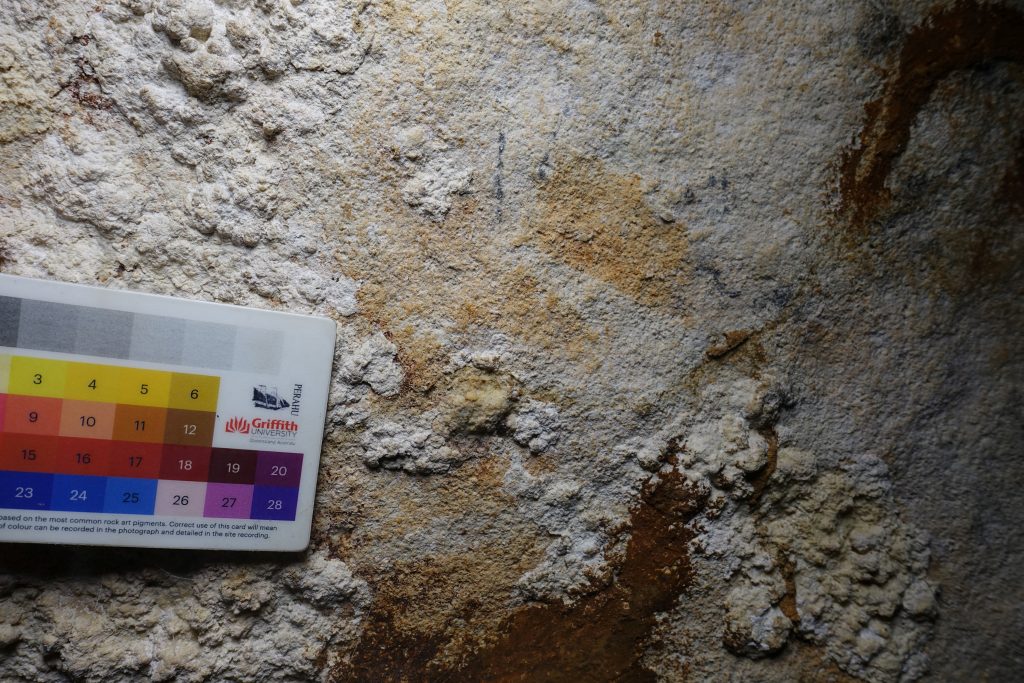
If you’ve ever used paint, a crayon, or a pencil to trace your hand, then made art out of it, you’re not alone. Apparently, humans have been doing it for 67,800 years.
Researchers found handprints on cave walls in Indonesia. The art is basic. But it speaks to a rich and complex relationship between humans and their natural environment. That's according to the authors of a study on the art. It was published recently in the journal Nature.
The handprints were not accidental, scientists say. "The tips of the fingers were carefully reshaped to make them appear pointed," archaeologist Maxime Aubert told Reuters.
"It was almost as if they were deliberately trying to transform this image of a human hand into something else — an animal claw perhaps,” added study co-author Adam Brumm. “Clearly they had some deeper cultural meaning but we don't know what that was.”
To date the art to 67,800 years ago, the team took samples of minerals from the cave walls. They then used a laser to measure how much the uranium present in the samples had decayed over time. Uranium is an element. Tests showed that the handprints predate cave art found in Spain. It used to be the oldest known. The Indonesian handprints are at least 1,000 years older.
Without brushes or cans of spray paint, the artists would’ve had to get creative, archaeologists say. They may have filled their mouths with a red pigment like ochre. If they slapped their hands on the wall, then spit the pigment out as a mist, it would have coated their hands and the wall. That would leave a hand tracing behind.
Reflect: Why do you think people have always felt the need to make art?
Photo of Indonesian hand print from Reuters.
News brought to you by 
Read More News Stories Today!