Going Meatless Doesn't Just Spare Animals Lives, It's Better for Your Health, Researchers Say
February 26, 2025

Thought Question: If you had to eat only one type of food for a month, what would you choose and why?
Giving up meat is good for the animals. And not just for the ones who get eaten! A meatless diet is also good for humans, scientists say.
Many studies show that meatless diets offer many health benefits. Among them: lower risk of chronic illnesses. This includes heart disease and diabetes. Meatless diets also offer improved gut health. They can offer reduced inflammation, too. And better weight control. Even meatless stints of a few days or weeks can provide striking rewards, studies have found.
For instance, an eight-week Stanford University study tracked 22 sets of twins. Among the sets, one twin's diet was meatless. The other ate meat. The study found that the short-term herbivores consumed fewer calories. They shed more pounds, too. They also improved their cholesterol and insulin levels over the meat eaters.
The study was published in July 2024. It's in the journal BMC Medicine. It also suggested that aging for vegans had slowed. This was because of differences in the age of the subjects' cells and tissues.
“There was a (great) decrease in the vegans,” study author Varun B. Dwaraka told Healthline. The author added that "there was no change in the omnivores." The author is with TruDiagnostic medical laboratory. It's in Lexington, Kentucky.
Yet, health experts caution that simply giving up meat isn't a direct path to better health. Vegans commonly need to take supplements to maintain their health. These include vitamins B12 and D. Also, dropping meat for highly processed packaged vegan meals isn’t healthy either, said Luigi Fontana. He's a University of Sydney nutrition expert.
“You can be a vegetarian and be (as or more) unhealthy than someone on a typical Western diet,” Fontana told National Geographic.
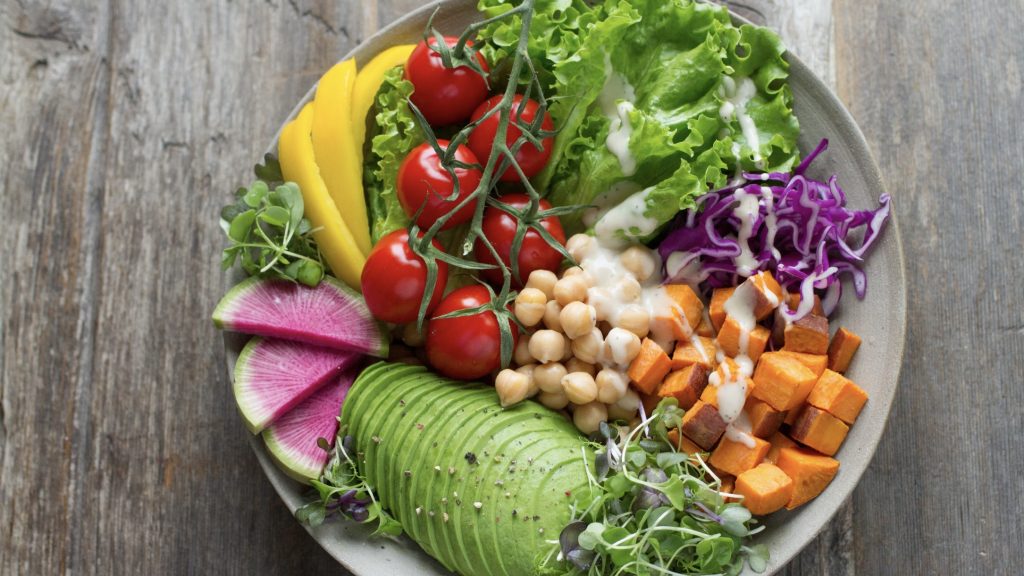
Photo of plate of vegetables courtesy of Anna Pelzer.
News brought to you by 
Read More News Stories Today!