
Experts: 'Phantom Energy' is Menace to Environment, Consumers
April 6, 2026

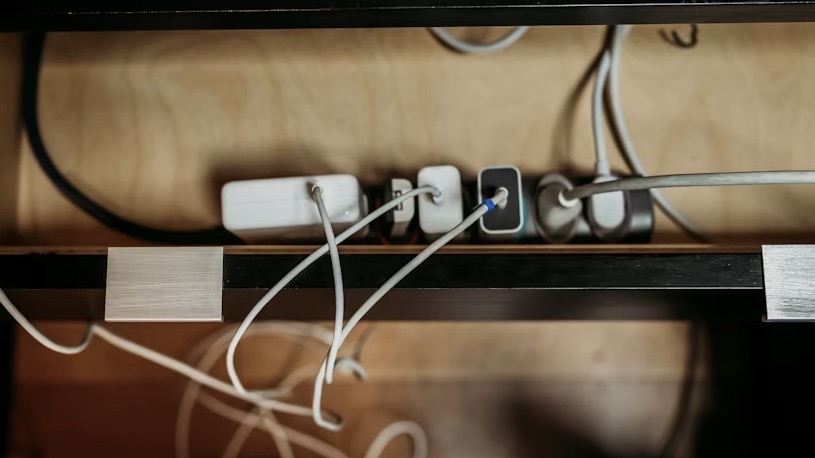
It’s an invisible force lurking in your home. It stealthily drains your energy with sometimes scary results. This is no pretend wraith or specter. It's a phenomenon that can gobble up power. It drives up carbon dioxide emissions. And it sometimes leaves people gasping at their costly power bills.
It’s called phantom energy. It's also known as vampire energy. It’s a rising problem for the environment. And it plagues cost-conscious consumers trying to keep their power bills down. What's the culprit? The growing use of high-tech devices that remain in standby mode. They include smart TVs, computers, printers, gaming consoles, coffee makers, microwaves, toaster ovens, and a range of other tech. Such items have digital features that remain partially powered when turned off.
Smart TVs that can be linked to other devices, like phones, are an example. They can burn up to 40 watts of energy when not being used, experts say.
“Phantom energy depends on ... what kind of systems you have and how much they’ve improved over time,” expert Alexis Abramson told The Associated Press (AP). Abramson is the dean of the Columbia Climate School.
The spread of household tech in recent decades is driving the upsurge. It accounts for up to 10% of home energy use by devices when they’re not in use. What's the result? Yearly power bills that are between $100 and $200 higher. That, and higher greenhouse gas emissions. Climate experts say that cutting this wasted energy could reduce US emissions by 20% each year.
“The good news is there have been new, renewed efforts to tackle this,” Matt Malinowski told the AP. He’s the director of the American Council for an Energy-Efficient Economy.
One way, experts say, is to install smart strips. They're high-tech power strips. They detect phantom energy use. They cut the power off for unused devices.
Reflect: What is one habit you have at home that might use more energy than you realize, and how could you change it to use less?
Photo of extension cord from Unsplash courtesy of Kit.
News brought to you by 
Read More News Stories Today!