
Ecuadorian Historian Turns to Myth to Combat Drought
June 17, 2025

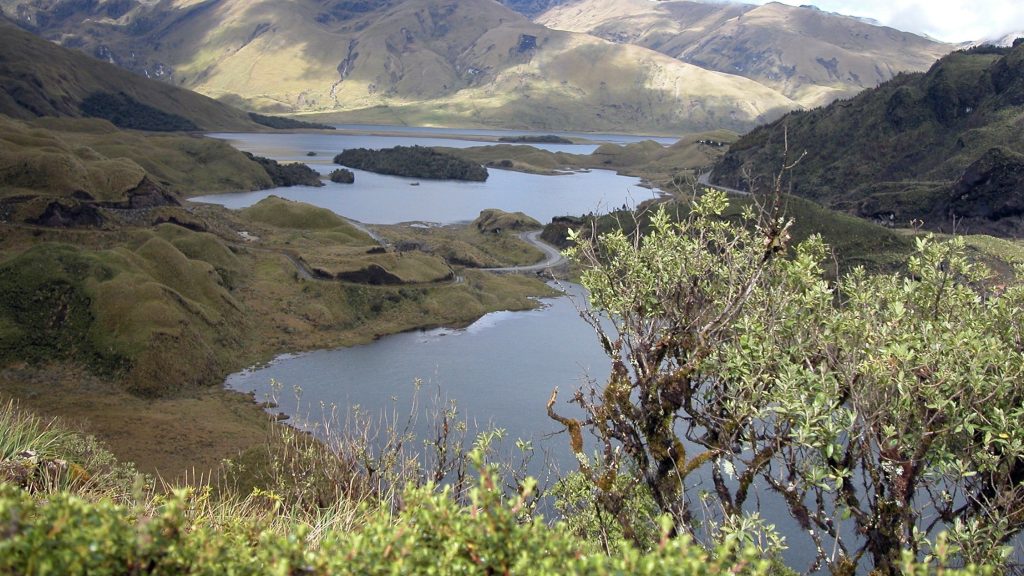
For decades, the city of Catacocha in the South American country of Ecuador suffered from nearly constant droughts. After years of searching for a solution, a historian found one in the stories of the region’s ancient past.
Galo Ramón was born in Catacocha. He grew up learning the handed-down tales of the region. He moved to Quito for school. But he never forgot those old stories. One of those stories was the myth of touro Cango, or Cango the Bull.
“The myth said that the bull, which was responsible for bringing rain, lived in Catacocha while there were lakes, as he liked the grass that only grew in them. If there were no grass, he would not eat,” Ramón told The Guardian. “This means that when the lakes disappeared, the bull disappeared too, along with the rain.”
A 1792 map offered another piece of the drought-busting puzzle. Ramón noticed a drawing of a water-filled lagoon in the hills above Catacocha on the map. It led him to a series of indentations in the land made, in part, by humans. They were part of a water system built by the ancient Paltas peoples.
As the myth suggested, the lagoons could hold all the water communities downstream need if they were filled with water grasses. The grasses slow water evaporation. And cracks in the basins of the lagoons allow water to leach into the soil. That feeds downhill springs throughout the year. Now, Catacocha has revived the lagoon system.
“We don’t necessarily need monumental projects to have water,” Ramón said. “We can also do it by recovering ancestral knowledge.”
Reflect: How can learning from the past help us solve problems we face today?
Photo of lagoon in Ecuador from Wikimedia Commons.
News brought to you by 
Read More News Stories Today!