Dating a Dinosaur? Hold Off on Looking At Rings, Paleontologists Propose
February 18, 2026

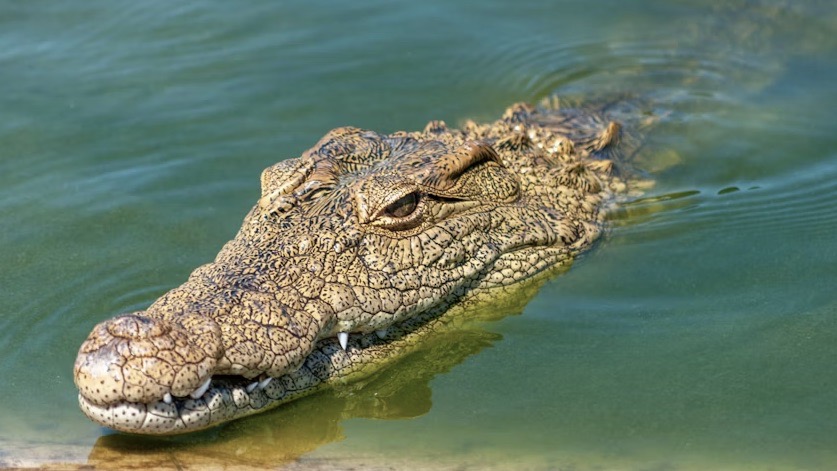
For hundreds of years,  paleontologists and dendrologists have relied on the same strategy to suss out the ages of their subjects. But a new study of crocodiles, dinosaurs’ closest kin, casts doubt on that method.
The current theory has been that dino bones, like trees, grew in a yearly cycle that left rings in a cross section of a femur, rib, or other fossil. To figure out the age of the dino at death, just count the rings.
"And then you can plot that and you can work out the growth rate of the (dino)," paleobiologist Anusuya Chinsamy-Turan told NPR. "And that's what all of us were doing — me (too)."
But Chinsamy-Turan has started to change her tune. Her team spent the past decade studying crocodile bones. The bones were from a South African crocodile farm. To aid their measurements, they used a new strategy. They injected the baby crocs with harmless antibiotics as they grew. The antibiotics protected the crocs from infection. They also became part of the bone structure. They can then be seen in a razor-thin cross section under a microscope. When the team looked for the antibiotic markers, they found evidence that it might be time to retire the age-old method of dating dinos.
"We know exactly how old the animal was when we gave the injections," Chinsamy-Turan told NPR. "So there were extra growth marks formed during their short life. It changes how we think about (dino) growth," she added.
In short, many dinos might have gotten taller sooner than once thought.
Reflect: How might discovering a mistake in an old scientific method change what scientists study next?
Photo of South African crocodile from Unsplash courtesy of Steward Masweneng.
News brought to you by 
Read More News Stories Today!