
Course Teaches Exhausted Students How to Sleep at Home, Instead of in Class
April 23, 2025

Thought Question: How do you feel when you don’t get enough sleep, and what changes do you think you could make to improve your sleep habits?
At Mansfield Senior High School in Mansfield, Ohio, students are learning how to sleep — not in class, that’s easy. They’re putting the “z's” back in snoozing at night, so they won’t doze off in algebra or social studies.
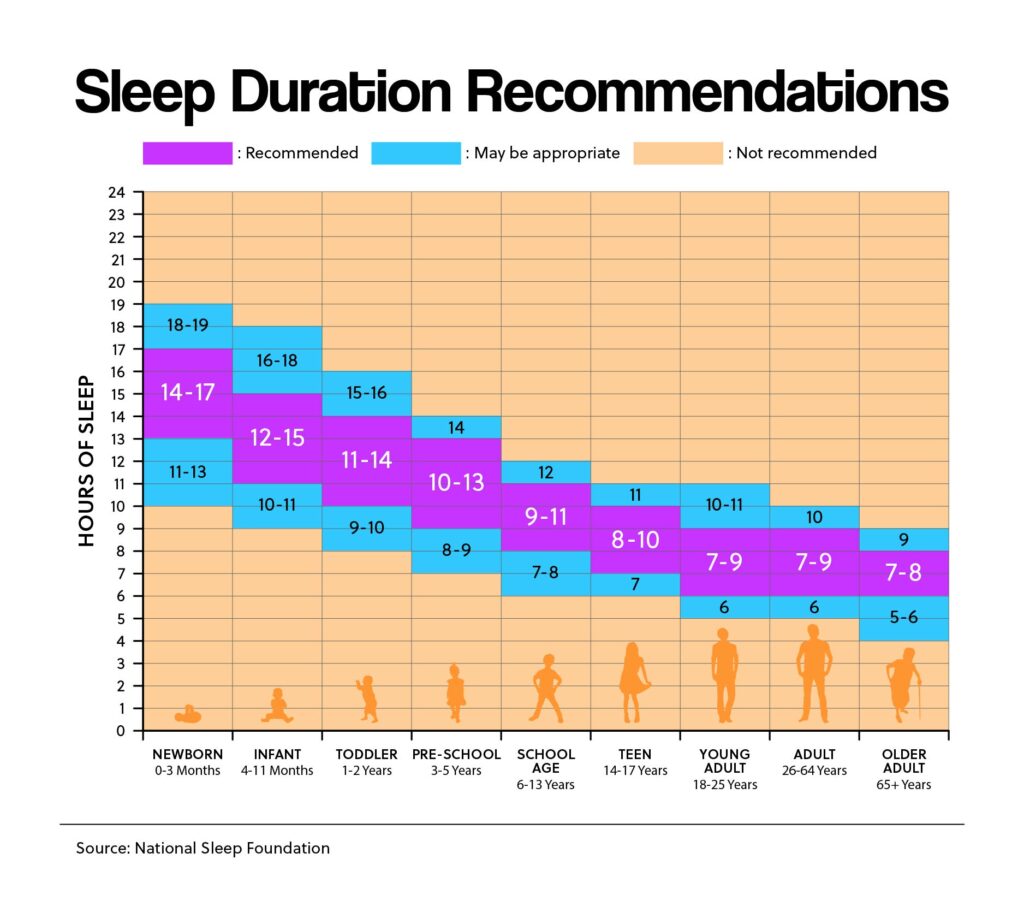
It’s a six-week course called “Sleep to Be a Better You.” It's designed to help underslept, overworked, overstressed, and over-plugged-in teens. The Centers for Disease Control and Prevention says nearly 8 in 10 US teens fall short of the advised 8-10 hours of nightly sleep. Most only get about six hours. The health impacts, experts say, are severe. They range from increased driving accidents to increased suicidal thoughts.
“Walk into any high school in America and you will see kids asleep. Whether it’s on a desk, outside on the ground or on a bench, or on a couch the school has allotted for naps — because they are exhausted,” Denise Pope, Stanford Graduate School of Education lecturer and teen sleep specialist, told The Associated Press (AP). “Sleep is directly connected with mental health.”
Mansfield’s “sleep training” course is a pilot program. It aims to improve academic performance and reduce absences. Enrolled students keep daily logs of their sleep times, daily energy levels, and moods. They discuss their bedtime habits and how to improve them. A student survey found that half of them fall asleep while using their phones.
Mansfield freshman Nathan Baker was previously getting five hours of sleep each night. Then, he started putting away his phone by 8pm, ditched late-night snacks, and aimed for a 10pm bedtime.
“I feel a lot better,” Baker, now sleeping 7 hours nightly, told the AP. “I’m coming to school with a smile on my face. Life is so much more simple.”
News brought to you by 
Read More News Stories Today!