Colorful Plastic Particles in Air May Contribute to Climate Change, Study Shows
May 14, 2026

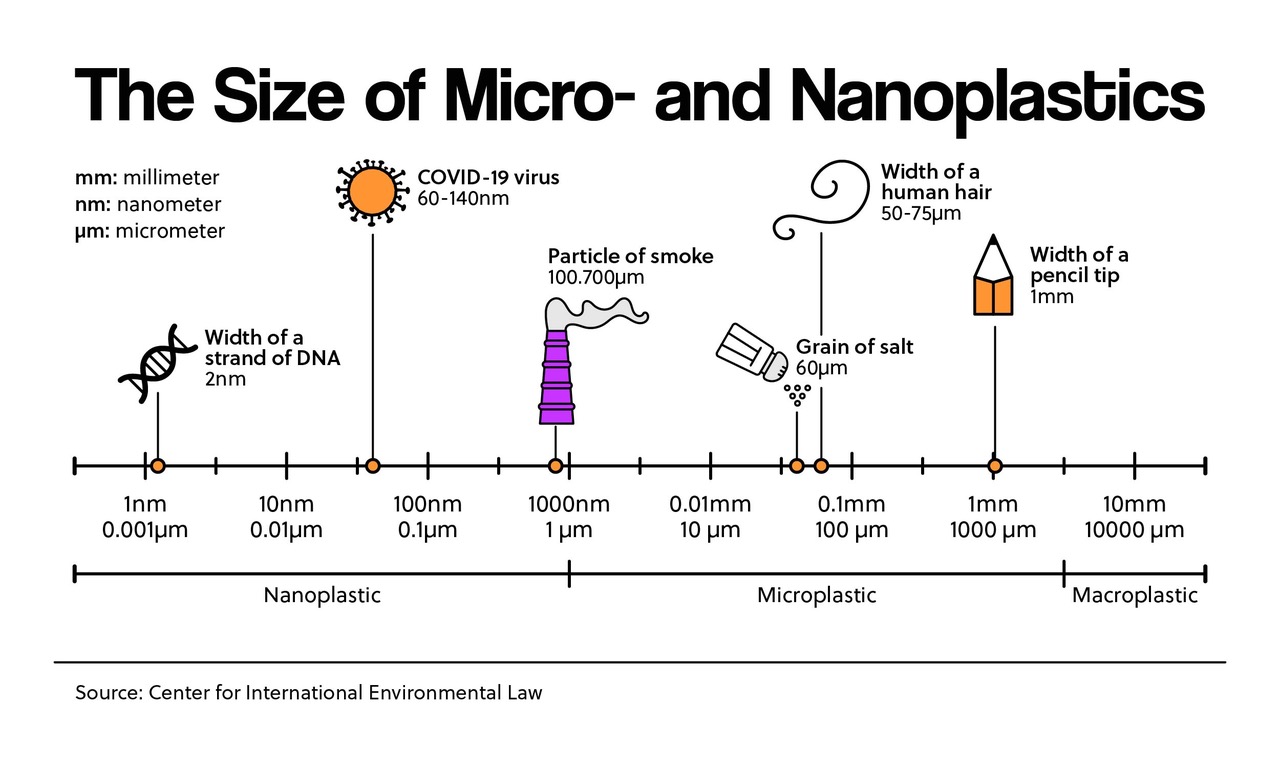
Nature and health experts have spent countless hours and effort pointing out the dangers of microplastics in our soil, water supplies, and even the human body. Now, climate change scientists are adding their voices to the chorus of concerned experts.
"The net effect of atmospheric microplastics on climate is to cause additional warming," Drew Shindell told USA TODAY. He is an earth sciences professor. He teaches at Duke University. Shindell wrote a paper on the subject. It was published recently in the journal Nature Climate Change.
It may not seem like there are trillions of pieces of plastic floating in the sky above us. But their size — from less than a billionth of a meter (nanoplastics) to a few millimeters (microplastics) — makes it likely for them to be swept into the air like dust or grains of sand. And once they’re up there, they absorb sunlight, just like the dark carbon molecules in soot and smog. Colorful plastics, like reds and blues, absorb more of the sun’s energy than white or clear plastics. When they do, they convert that energy to heat. That warms the air around them.
"From our study we can see that these particles absorb about five times as much sunlight as they reflect,” Shindell said. “So that in the net they make our planet hotter, which was not clear before.”
Shindell’s team believes that microplastics cause around 2% of global warming. That's small compared to the impact of greenhouse gases. But it’s enough to warrant a spotlight, they argue.
"To reduce warming, we’re going to need all the options we have (on hand) so knowing about this one is useful to add to our efforts to cut warming," Shindell told USA TODAY.
Reflect: What are some small everyday choices you can make that could have a bigger impact on the environment over time?
News brought to you by 
Read More News Stories Today!