Climate Change Fueling Flash Flood Summer, Scientists Say
August 1, 2025

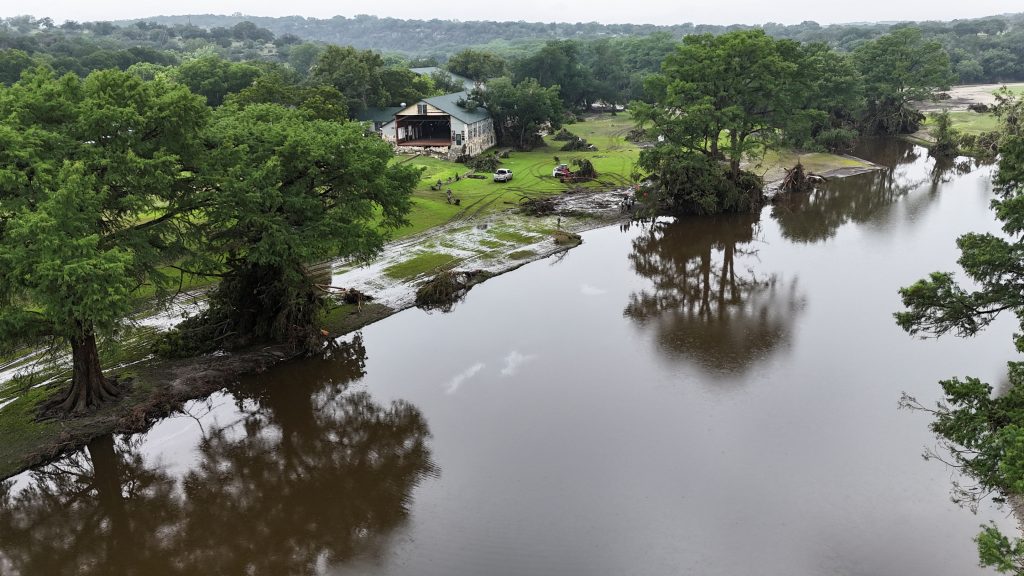
Massive rainstorms that sweep away houses and people in sudden floods are way up this year, weather experts say. And  climate change , they contend, is a main culprit.
As of mid-July, weather centers had issued a record-breaking 3,160 flash flood warnings across the US in 2025. That's nearly twice the 1,700 posted during the same stretch of 2024. It's also the most since the current weather alert system was put in place in 1986.
Record moisture in the air is spawning major flood events across the US. That includes the deadly “Flash Flood Alley” storms that killed more than 130 in central Texas on July 4. It also includes the 1,000-year flood events recently recorded in New Mexico, North Carolina, Illinois, Kansas City, and New York City. There, New Yorkers saw water gushing into subway train cars.
Climate scientist and author Kate Marvel told CNN that turning a storm into a flood depends on many things. They include the layout of the land and how well it can absorb water. “But,” Marvel added, there is "no doubt that climate change, caused by human emissions of greenhouse gases, is making extreme rainfall more extreme.”
This summer, air flowing from the Gulf and Atlantic Ocean is very humid. It has spread very moist air across much of the US. Scientists say warmer air is wetter. That creates more heavy storms. The effect is being boosted by an event known as “atmospheric resonance.” That is causing weather systems to stall. Thus, there are longer and heavier downpours.
"These heavy rainfall events," meteorologist Dan DePodwin told The Weather Channel, "we can't necessarily say that one is caused by climate change … But we can say they're amplified by climate change. They're certainly more intense, more frequent."
Reflect: How do changes in weather or the environment affect the way you feel, think, or go about your day-to-day life?
Photo of damage from flooding at Camp Mystic in Hunt, Texas from Reuters.
News brought to you by 
Read More News Stories Today!