Canada's Summer Wildfires Return, Forcing Evacuations, Spreading Smoke Across Continent
June 10, 2025

In what has become a yearly, but unwanted, rite of summer, Canada’s wildfires are back. Millions of acres have been scorched. Thousands of people have been evacuated. And air quality has been affected as far south as the US Gulf Coast.
This year, more than 1,700 wildfires have burned at least 2.2 million hectares (5.4 million acres). More than 200 fires are still burning. Half of those are listed as out of control. The worst are in Manitoba and Saskatchewan. Authorities there have declared states of emergency. Two people have died in the fires this month.
Fast-moving wildfires have forced helicopter rescues and narrow escapes. Some people have fled one wildfire only to be blocked by another on their exit routes. In northwestern Ontario, 19 construction workers hid in a shipping container for hours while surrounded by a wildfire. All safely escaped. Meanwhile, Sandy Lake and other tribal communities have been evacuated.
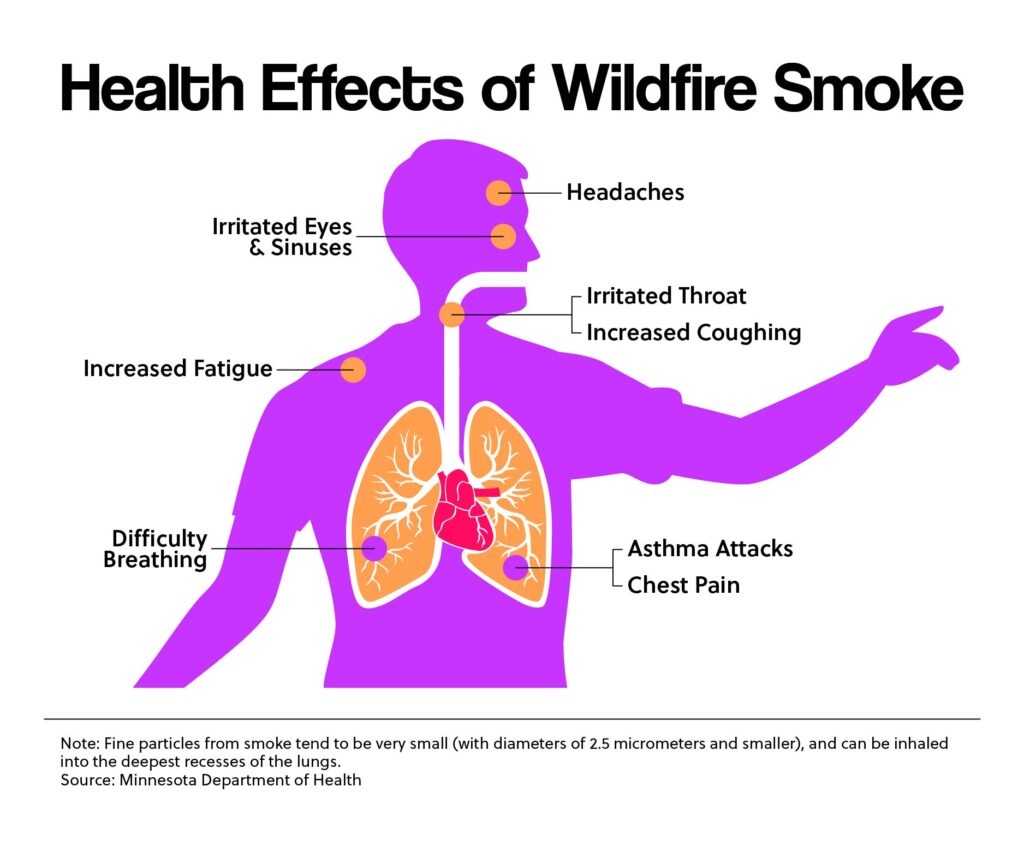
The fires have triggered air quality alerts all the way to the east coast of the US and as far south as parts of West Virginia.
There have been slightly more fires in 2025 than in 2024 as of this point in the year. And experts say the total acreage burned is about half what it was a year ago. But that amount is still more than 360% higher than average as of early June. Experts say climate change has made the summer fire season worse.
"Wildfires are happening more frequently. They're getting bigger. They're emitting more smoke," Paige Fischer told NPR. She's an environmental professor at the University of Michigan. "The climate models are projecting that we're going to have more frequent, more severe wildfires," she said.
Reflect: How do you think changes in the environment can affect the way people live?
News brought to you by 
Read More News Stories Today!