Bermuda Snail Back From Brink of Extinction
February 23, 2026

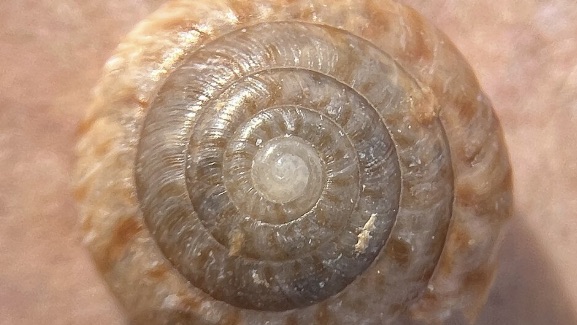
A little animal with its house on its back is making a huge comeback in Bermuda.
For 40 years, biologists on the Atlantic archipelago believed a native species of snail, Poecilozonites bermudensis, had gone extinct. Human pesticide use and habitat loss has destroyed the population. So did overpredation by invasive wolf snails and flatworms. No Bermuda snails were found in the wild in all that time. That changed in 2014.
A resident in the capital city of Hamilton found a small group of Bermuda snails in a damp alley. They were hidden from predators by a concrete block. That tiny group of snails was moved to Chester Zoo in the UK. There, zookeepers remade a habitat ideal for the snails to grow and breed.
The breeding program was a success. With thousands of snails in tow, teams from the Chester Zoo returned to Bermuda in 2019. They set up habitats at wooded sites that would shield the snails from predators. Like nervous parents dropping their children off at their first day of school, researchers put the snails in their new homes. Seven years later, they’ve returned to find their tiny charges thriving.
“It has been extremely gratifying to … see these snails back in Bermuda’s ecosystem again,” Mark Outerbridge told The Guardian. “It is remarkable to think we only began with less than 200 snails and have now released over 100,000.” Outerbridge is an ecologist for the government of Bermuda.
Healthy populations of Bermuda snails have been observed at six of the chosen sites. Their numbers are such that they're no longer labeled as extinct.
“It’s every conservationist’s dream to help save a whole species — and that’s exactly what we’ve done,” Tamás Papp told The Guardian. Papp is the invertebrates assistant team manager at Chester Zoo.
Thought Question: Imagine you discovered that something small and overlooked in your community was on the verge of disappearing. What would inspire you to protect it?
Photo of Bermuda snail shell from Wikimedia Commons courtesy of Thomas Irvine.
News brought to you by 
Read More News Stories Today!