
As Climate Changes, So Does Polar Bear DNA
January 13, 2026

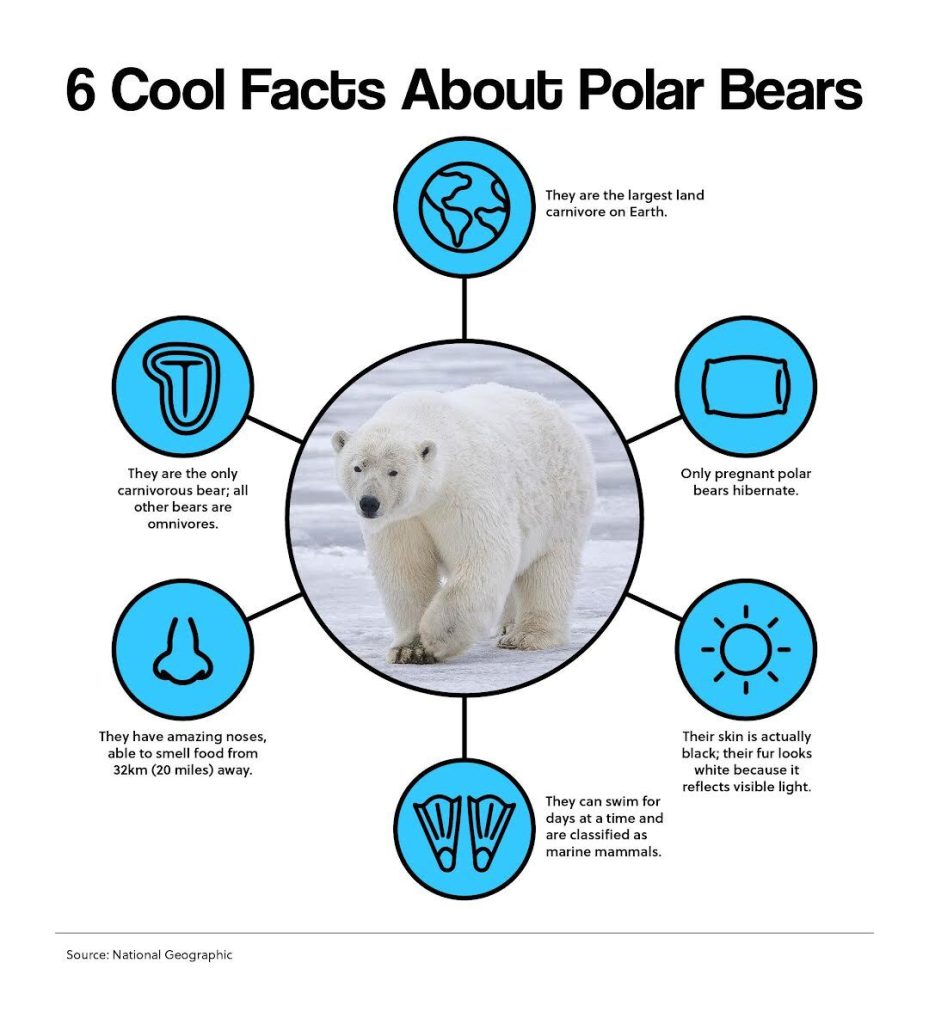
A new study may offer a “glimmer of hope” to conservationists trying to save the world’s polar bears. Experts say the key is in the bears’ changing DNA.
Alice Godden studied blood samples from two different groups of polar bears in Greenland. Godden is a biologist at the University of East Anglia in Britain. The first sleuth she studied lives in the colder northern part of Greenland. There, the bears' DNA closely matched that of bears in other regions across the Arctic. The second group of bears, though, lived in Greenland’s south. That region has seen its water and air temps rise much more in recent decades.
In the second sleuth, some of the bears' genes had evolved. The changes were observed in the genes connected to heat regulation, aging, and metabolism. Those changes may allow the bears to adapt slightly better to a warmer environment.
“This means that different groups of bears are having different sections of their DNA changed at different rates," Godden wrote in a press release. "And this activity seems linked to their specific environment and climate," she added. Godden published her research recently in the journal Springer Nature.
The question now is whether the bears can adapt fast enough. Experts estimate that there are about 26,000 polar bears left in the world. They are labeled as “vulnerable” on the IUCN's Red List. That means they face a high risk of extinction in the wild.
"Polar bears are still sadly expected to go extinct this century," Godden told NBC News. Two-thirds of polar bears could be gone by 2050, she added. "I believe our work really does offer a glimmer of hope," Godden said. She argues that slowing the rate of climate change could "give these bears more time to adapt to these stark changes in their habitats."
Reflect: How does knowing that animals can adapt to change affect the way you think about protecting the environment?
News brought to you by 
Read More News Stories Today!