Are Your Greens Clean? Check This Year's 'Dirty Dozen'
April 10, 2026

Before you sample that salad, think about how well it's been washed. That’s the advice of the Environmental Working Group (EWG). It's the nonprofit behind this year’s “Dirty Dozen” list.
EWG puts out a yearly “Shopper’s Guide to Pesticides in Produce.” In its 2026 guide, EWG assessed 54,344 samples of 47 non-organic fruits and veggies. Just like you might do at home, they washed, peeled, and scrubbed the foods. Then they tested them for pesticides and forever chemicals. Despite the cleaning, they found that certain items retained traces of the toxins.
The “Dirty Dozen” lists the foods most likely to show traces of toxins after washing. From most toxins to least, these foods are spinach, kale and mustard greens, strawberries, grapes, nectarines, peaches, cherries, apples, blackberries, pears, potatoes, and blueberries.
So what happens if people eat small doses of pesticides (like those found on the “Dirty Dozen”) over a long stretch of time? They may feel “tired or weak, irritable, depressed, or forgetful,” the Centers for Disease Control and Prevention warns.
But there's good news! There are steps lovers of fruits and veggies can take to ensure their food is clean, CNN reports. Among them:
- Buy organic produce, if possible.
- Rinse produce before peeling; pesticides (and bacteria) can transfer from a knife onto the ready-to-eat food.
- Use a veggie brush to scrub firm products like apples or melons.
- Wash hands with warm water and soap before and after preparing fresh produce.
There are also types of fruits and veggies less likely to carry pesticides. EWG calls them the “Clean 15.” These are pineapples, sweet corn, avocados, papaya, onions, frozen sweet peas, asparagus, cabbage, cauliflower, watermelon, mangoes, bananas, carrots, mushrooms, and kiwi.
Reflect: What choices do you make when deciding what foods to eat?
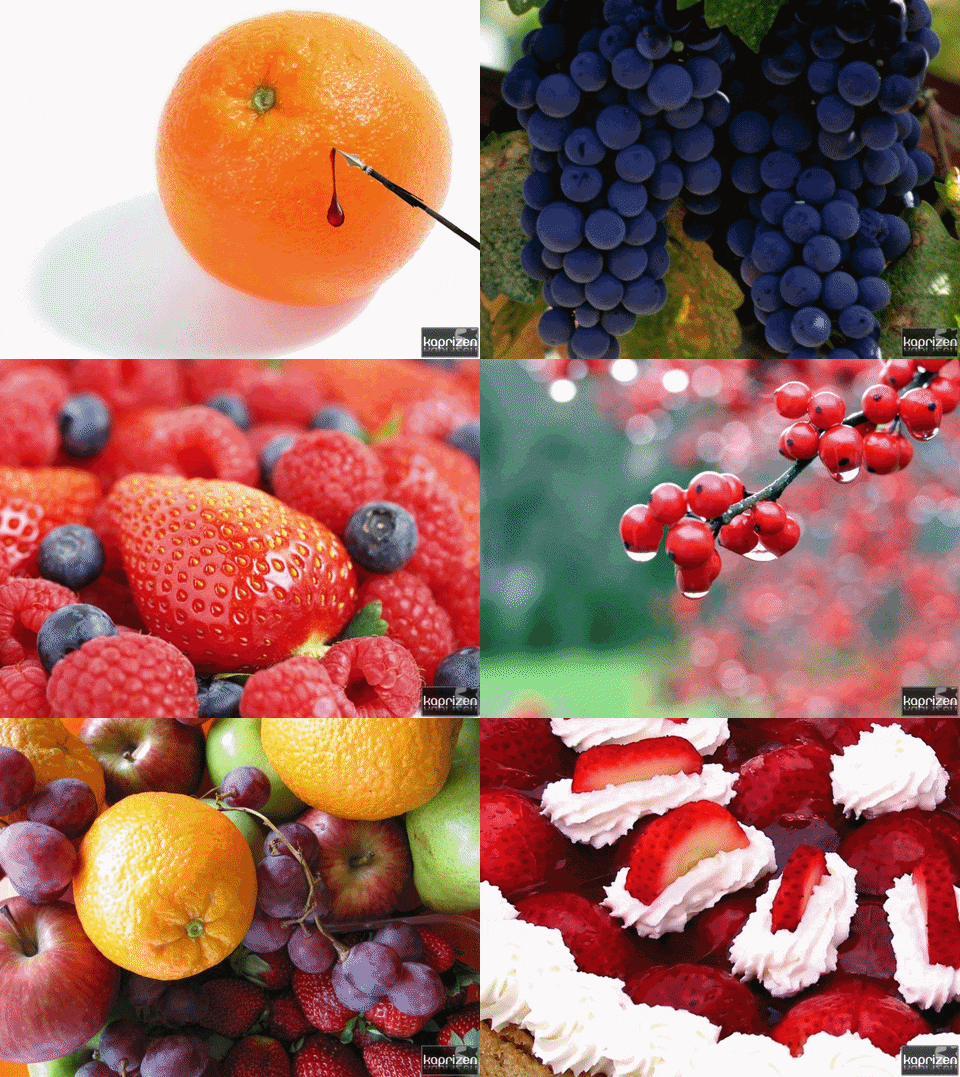
Gif of fruits from Giphy.
News brought to you by 
Read More News Stories Today!