Are Plastic Bag Bans Effective? Shorelines Suggest Yes
July 9, 2025

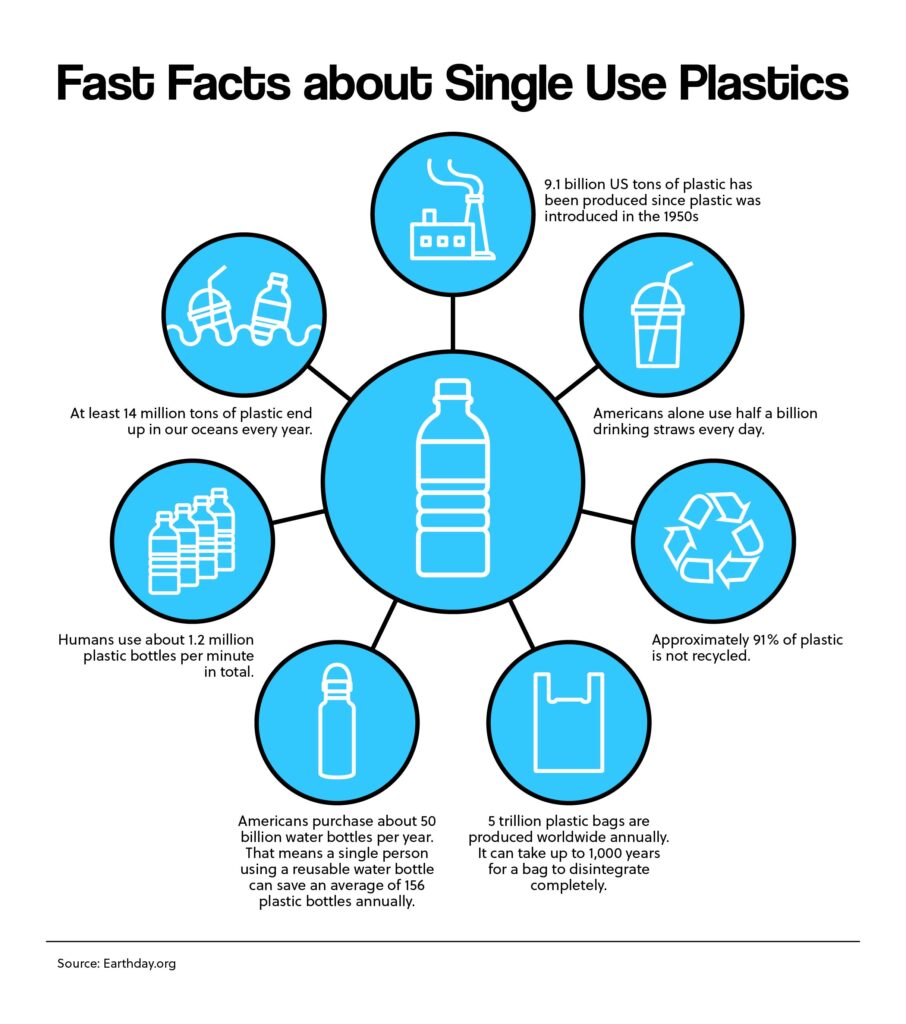
Single-use plastic bags, when improperly thrown away, can have long-lasting, harmful effects on nature. So harmful are they that many towns and states in the US have passed laws trying to curb their use. How effective have those laws been? Look to the beach to find out, experts say.
Plastic bags are especially harmful when they make their way into oceans, rivers, and lakes. Animals like sea turtles can mistake them for food. Plastic bags can also block waterways. They can snarl machinery at water processing plants. They leach microplastics into drinking water supplies, too. That’s why over 600 municipal and state laws have been passed in the past decade. Some ban plastic bags outright. Others charge for their use at grocery stores and restaurants. And some are partial bans that only apply to certain types of containers.
Researchers at Columbia University sought to gauge the impact of those laws. They looked at crowdsourced data. They surveyed 45,067 waterway and shoreline cleanup projects held between 2016 and 2023. These projects covered 182 US zip codes. They found that in regions with the laws, there was 25% to 47% less plastic bag pollution than in places with no laws.
Laws at all levels and scales are helpful, with state-level laws being the strongest, the researchers wrote in the study. They published it recently in the journal Science. “Bag (laws) yield similar effects along coasts and rivers," the study found. But results suggest they have a larger effect along lakes.
The study also found that laws that charged a fee for bags had the greatest effect. Least effective were the partial bans, since consumers tended to treat heavier multi-use bags as they would the flimsier single-use ones.
Reflect: What’s a small change you could make in your daily habits that might help protect the environment?
News brought to you by 
Read More News Stories Today!