
English Lesson: Metaphors & Sentinel Animals
Created by Teacher(s): Leigh Kohlmann|Published on: August 26, 2025
Grades: 6, 7, 8
Type: Lesson Plan
Subjects: English Language Arts
Duration: 1 hour
Created by: Wisconsin Climate Education Hub teachers
Location: Earth
This resource has been reviewed by SubjectToClimate's climate scientists and verified for scientific accuracy and up-to-date information. Learn about our review process →
This resource has been reviewed by SubjectToClimate's climate scientists and verified for scientific accuracy and up-to-date information. Learn about our review process →
Synopsis
In this lesson, students learn about metaphors through an analysis of the phrase "canary in the coal mine" and its connection to sentinel species. Students create original metaphors, connect environmental warning signs to human communities, and reflect on how this understanding can inspire climate action and promote environmental justice.
Inquire: Students explore the meaning of metaphors by using a flowchart to compare one thing to another and stating their shared qualities.
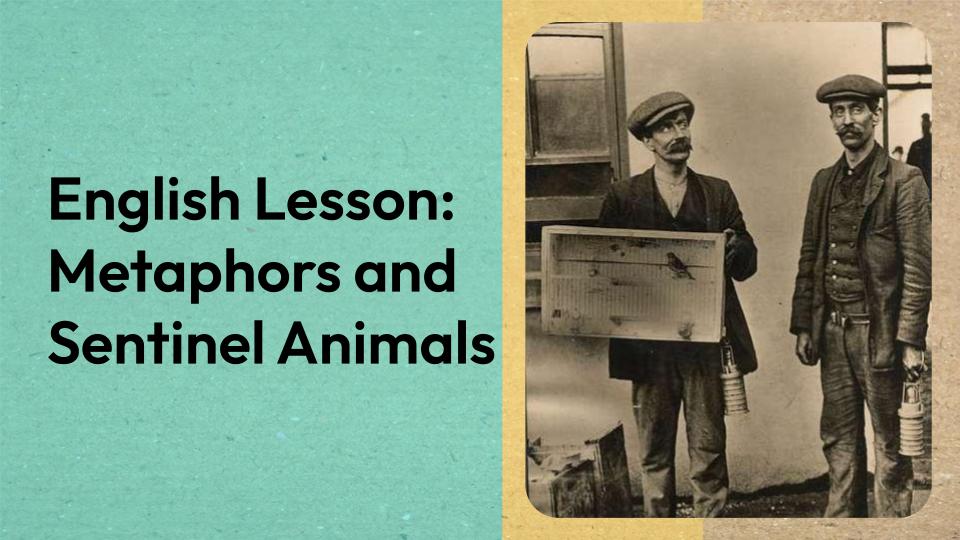
Investigate: Students investigate the historical origins of the “canary in the coal mine” metaphor and learn about sentinel species.
Inspire: Students investigate sentinel species, create metaphors to explain their role, connect them to vulnerable human communities, and reflect on how these warnings can inspire climate action.
Share: This lesson plan is licensed under Creative Commons.
Related Lessons, Units, and Activities Teaching Materials
Accompanying Materials
Lesson Plan Preview
Teaching Tips
Standards
Teacher Writer

Scientist Reviewed
This resource has been reviewed by SubjectToClimate's climate scientists and verified for scientific accuracy and up-to-date information. Our review process ensures that every resource in our library reflects the current state of climate science.
Learn about our review process →