Water Has Superpowers
Provided by: SciShow Kids|Published on: October 31, 2025|Last updated: July 16, 2026
Grades: K, 1, 2, 3, 4, 5
Type: Videos
Subjects: Science
Authors: SciShow Kids
Location: Earth
This resource has been reviewed by SubjectToClimate's climate scientists and verified for scientific accuracy and up-to-date information. Learn about our review process →
This resource has been reviewed by SubjectToClimate's climate scientists and verified for scientific accuracy and up-to-date information. Learn about our review process →
Synopsis
- In this compilation video from SciShow Kids, students will understand where their drinking water comes from, how water and wind erode surfaces, and how water moves through the water cycle and changes states.
- From fun characters, animations, and unique presentations, students will get an in-depth look at watersheds, landforms built by water and wind, and the water cycle.
Teaching Materials
Positives
- Students will love the unique characters and the use of humor in this video.
- The play used to teach about the water cycle is a fun representation that is perfect for elementary students!
Prerequisites
- Students should understand the importance of water to all life on Earth.
- It may benefit students to have familiarity with world maps and basic geography.
Differentiation & Implementation
- Pausing at 0:27, teachers can ask students to give their own hypotheses for where the water comes from to get to their school faucet.
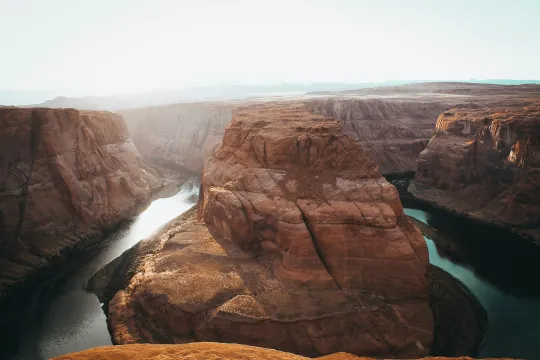
- Teachers can have a world map on the board and refer to it to point out places mentioned in the video, such as the Congo River and the Grand Canyon.
- As an extension, teachers can transition into a lesson to demonstrate the superpowers of water and wind in terms of renewable energy. Teachers can use this ebook about water power and this one about wind power as resources in such a lesson.
- To make connections to climate change, teachers can explain how climate change impacts the water cycle and water scarcity. This video about how climate change impacts weather may help students understand this concept.
- Teachers can use this video to make connections to the Sustainable Development Goals, especially SDG 6, Clean Water and Sanitation. Teachers can also make connections to SDG 7, Affordable and Clean Energy, using the suggestions for renewable energy connections above.
This resource from SciShow Kids is a fun and informative video that introduces students to Earth’s water cycle and how wind and water shape the land over time. The video is colorful and blends storytelling with science to help young learners understand key concepts. Produced by a trusted educational source, this resource doesn’t include original data but is a great way to spark classroom conversations about Earth science, weather, and natural processes.
Teaching Tips
Standards
Resource Type and Format
Scientist Reviewed
This resource has been reviewed by SubjectToClimate's climate scientists and verified for scientific accuracy and up-to-date information. Our review process ensures that every resource in our library reflects the current state of climate science.
Learn about our review process →