This Is Code Red for the Planet
Provided by: Our Changing Climate|Published on: April 27, 2021|Last updated: July 16, 2026
Grades: 6, 7, 8, 9, 10, 11, 12
Type: Videos
Subjects: Biology, Earth and Space Sciences
Authors: Our Changing Climate
Location: Earth, Polar Regions, South America
This resource has been reviewed by SubjectToClimate's climate scientists and verified for scientific accuracy and up-to-date information. Learn about our review process →
This resource has been reviewed by SubjectToClimate's climate scientists and verified for scientific accuracy and up-to-date information. Learn about our review process →
Synopsis
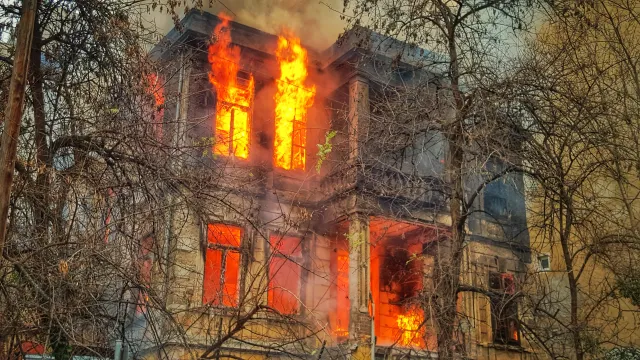
- This video from Our Changing Climate defines environmental tipping points and then discusses the potentially catastrophic dangers of deforestation in the Amazon rainforest and permafrost melting in the Arctic.
Teaching Materials
Positives
- The video speaks to the catastrophic urgency of the climate crisis without sounding hyperbolic.
- The metaphors used are easy for students to visualize. For example, the video uses the tabletop game Jenga as a metaphor for one of the Earth's tipping points.
Prerequisites
- This video cites capitalism as one of the causes of the climate crisis.
- It has an ad at the beginning of the video.
- The content of the video ends at 9:56, and the remaining time is a sponsored ad and outro.
Differentiation & Implementation
- Teachers can skip around to relevant material because the video is sectioned into chapters about tipping points, Amazon deforestation, Arctic permafrost melt, and prevention.
- Students can do independent research on the other tipping points mentioned in the video that are not discussed in detail.
- Students can do independent research on the prevention ideas and movements mentioned in the last chapter, including ecosocialism, Indigenous sovereignty, solar punk, and the Red New Deal.
- Students may also benefit from the related resource, Dear Future Generations: Sorry.
The resource provides the latest report on human-caused climate change and presents the cascading impact of human activities. Data on the level of deforestation in the Amazon rainforest and melting ice in the Arctic region and Siberia are accurate. The resource is recommended for teaching.
Teaching Tips
Standards
Resource Type and Format
Scientist Reviewed
This resource has been reviewed by SubjectToClimate's climate scientists and verified for scientific accuracy and up-to-date information. Our review process ensures that every resource in our library reflects the current state of climate science.
Learn about our review process →